Small rituals that preserve the memory after a civil funeral

Small rituals that preserve the memory after a civil funeral
When a civil funeral has come to an end, many people are left with a quiet emptiness. The ceremony has offered a moment of farewell, but grief and longing continue. In a country like New Zealand, where more families are choosing non-religious farewells, small personal rituals can help keep the memory of a loved one alive – and bring a sense of calm to everyday life. Here are some gentle ways to honour and preserve those memories.
Create a personal space for remembrance
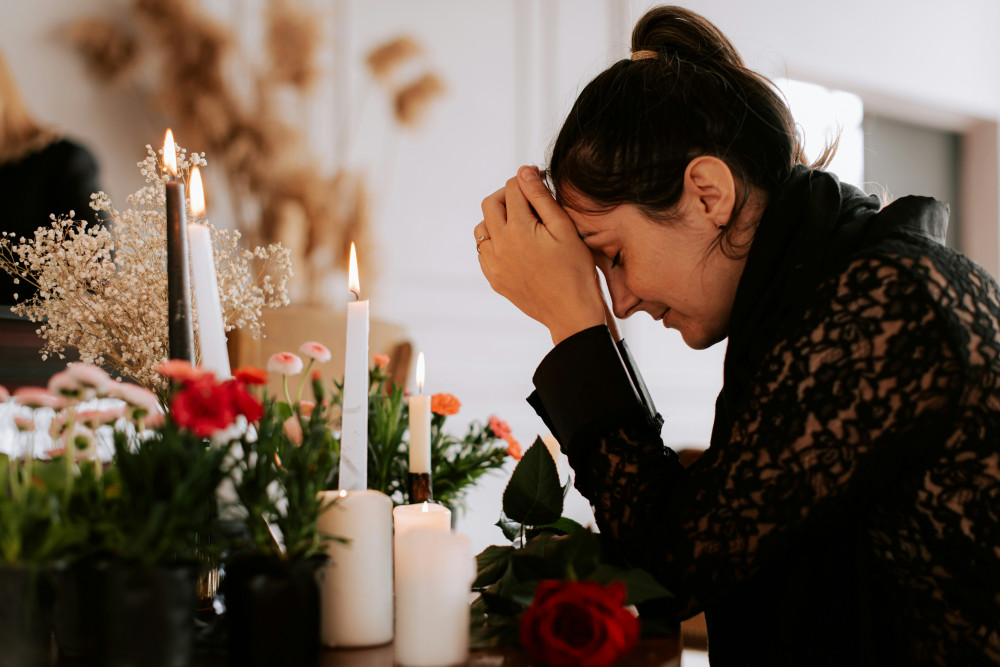
One of the simplest rituals is to create a small place at home where memories can live. It might be a shelf with a photo, a candle, a pounamu stone, or an object that held meaning for the person who has passed. Some people place fresh flowers or light a candle on special days – a birthday, an anniversary, or simply when the feeling of loss returns.
It’s not about building a shrine, but about giving your grief a place to rest. A space where you can pause, remember, and feel connected to the one you’ve lost.
Take a memory walk
Many find comfort in moving through their grief – quite literally. A regular walk in a place that mattered to the person who has died can become a quiet ritual. It might be a beach they loved, a bush track, or a local park where you spent time together.
You could bring a small token, collect a shell, or simply use the walk to reflect on shared moments. Letting nature and movement hold your memories can be a gentle way to carry what feels heavy.
Share the stories – and keep them alive
When someone dies, their stories remain. Speaking them aloud helps keep both the memory and the relationship alive. You might share stories at family gatherings, over dinner, or in a memory book where friends and relatives can write down their recollections.
Some families create a digital album or a shared online folder with photos, letters, and anecdotes. It becomes a living archive of a life – something that can be passed on to future generations and remind everyone that the person is still part of the family’s story.
Create new traditions
A ritual doesn’t have to be old to be meaningful. You can create your own traditions that reflect the person you’ve lost. Perhaps there was a favourite meal, a song, a film, or a place that held special significance. Recreating it at certain times of the year can become a way to honour their memory.
Some families in Aotearoa choose to gather once a year for a shared meal, a walk in nature, or a quiet moment by the sea. The form doesn’t matter as much as the intention behind it – to remember with love and gratitude.
Write to the one you miss
Writing can be a soothing way to process grief. Many people find comfort in writing letters to the person who has died – sharing thoughts, memories, or things left unsaid. The letters can be kept, buried, burned, or simply written for your own peace of mind.
It’s a quiet conversation that gives space to emotions that can be hard to express aloud. And it can remind you that the bond still exists, even though the person is no longer here.
Læs også:
Let memory become part of everyday life
Grief changes over time. It doesn’t necessarily fade, but it finds its place. Small rituals can help make memory a natural part of daily life – not as something heavy, but as a gentle reminder of love and connection.
Preserving memory isn’t about holding on to the past; it’s about allowing it to live alongside the present. The small acts – a candle, a walk, a story – become bridges between what was and what still is.
Læs også: