After the Funeral – What Happens Next, and How Do You Move Forward?

After the Funeral – What Happens Next, and How Do You Move Forward?
When the funeral is over, many people are left with a deep sense of emptiness. The days leading up to the service have often been filled with practical tasks and emotional intensity, and suddenly there is silence. This quiet can feel overwhelming, but it also marks the beginning of a new phase – one where grief takes on a different shape, and where life slowly begins to find its rhythm again. This article offers an overview of what happens after the funeral in New Zealand, and how you can support yourself and your loved ones as you move forward.
The First Days After the Funeral
Although the funeral feels like a conclusion, there are still practical matters to take care of. The estate needs to be settled, government departments may need to be contacted, and there can be financial or legal questions to resolve. It can all seem daunting, but it helps to take one step at a time.
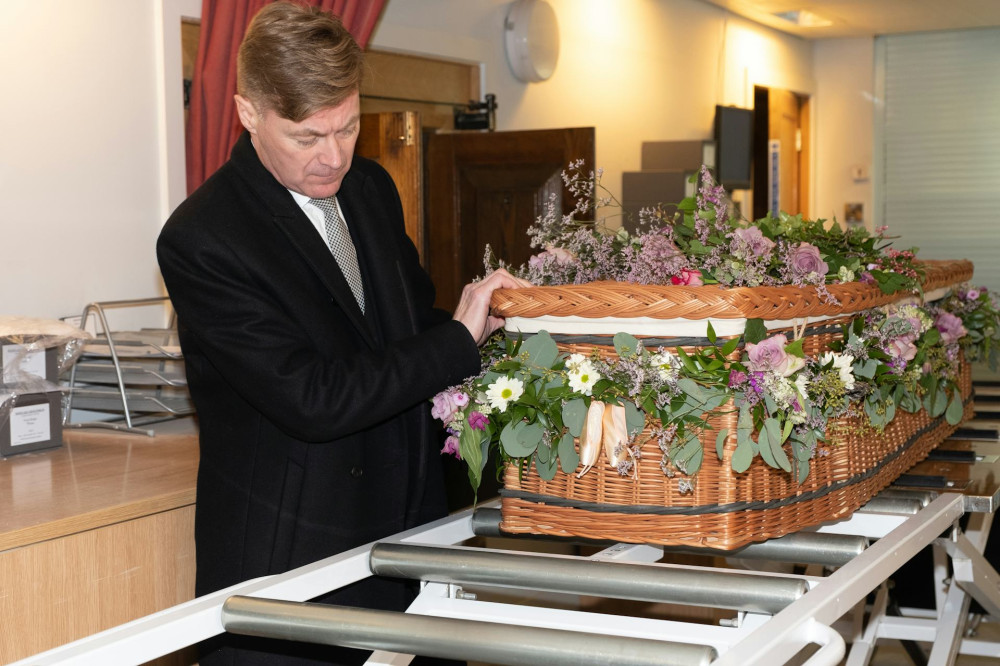
In New Zealand, the executor of the will (or a family member if there is no will) usually works with a lawyer or the Public Trust to manage the estate. Death certificates, bank accounts, and insurance policies may need to be processed. It can be useful to make a checklist and share responsibilities among family members.
At the same time, give yourself permission to rest. The days after a funeral can bring exhaustion, restlessness, and emotional fatigue. This is completely normal – your body and mind need time to recover after an intense period.
When Grief Changes Shape
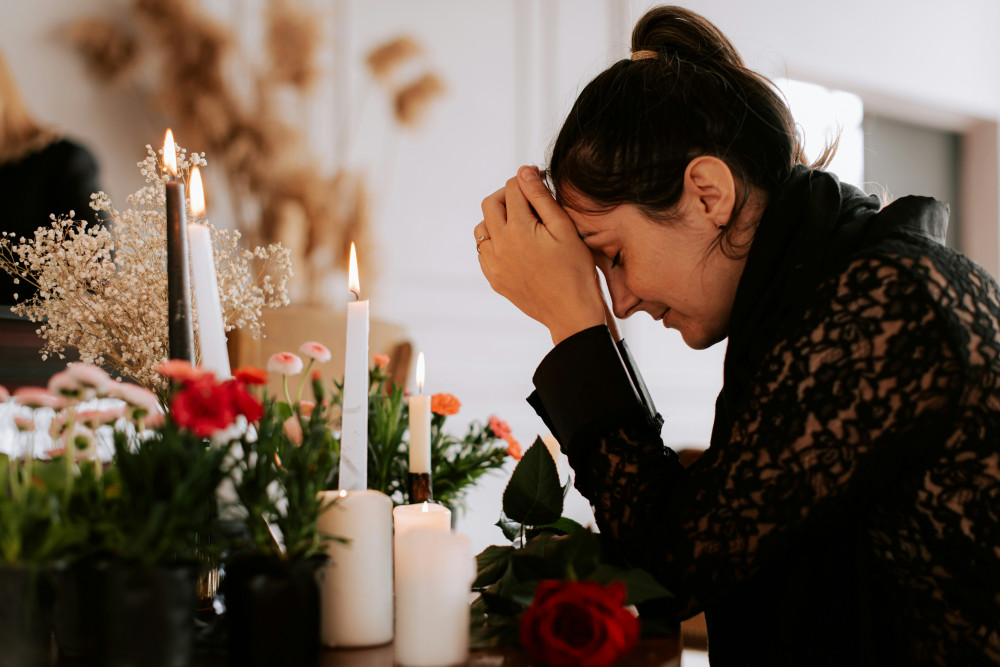
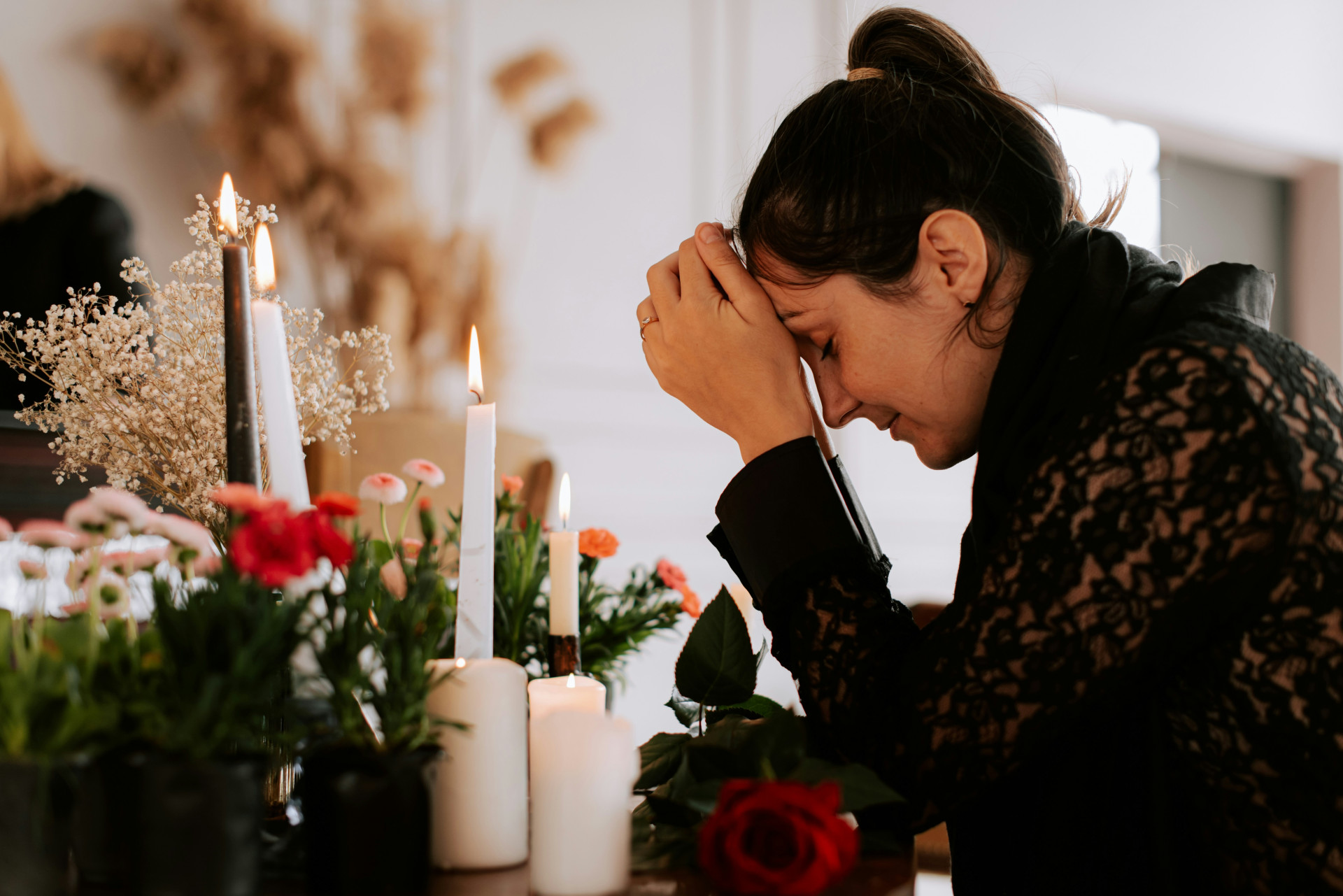
Grief is not a straight path. It can come in waves and show itself in many ways – sadness, anger, guilt, or even relief. Some people find that grief becomes stronger once daily life resumes and others seem to move on.
It helps to accept that there is no “right” way to grieve. Everyone’s experience is different, and there is no timeline for when you should feel better. For some, it takes months; for others, years.
Talking about your grief can be an important part of healing. You might find comfort in conversations with family, friends, or professionals such as counsellors, ministers, or grief support groups. Organisations like Skylight Trust, Grief Centre, and Hospice New Zealand offer free or low-cost support for people coping with loss. Putting your feelings into words can make the burden easier to carry.
Keeping the Memory Alive
After the funeral, many people find meaning in creating ways to remember the person who has died. This might be through small rituals, photos, letters, or traditions that keep their memory close.
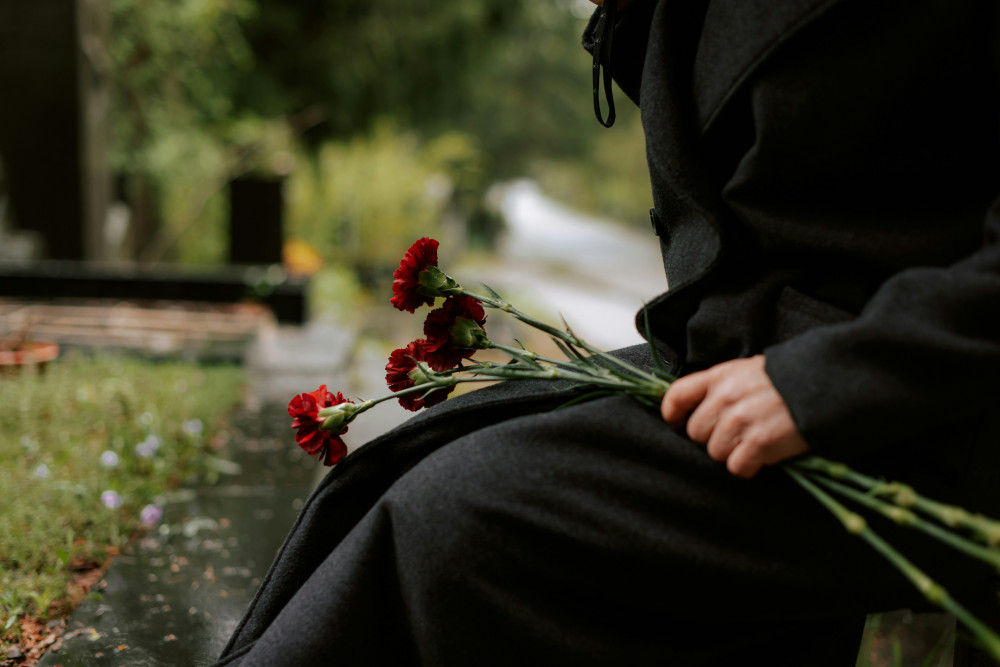
Some visit the burial site regularly, while others prefer to remember their loved one in different ways – lighting a candle at home, planting a native tree, or gathering family on anniversaries. In New Zealand, memorial gardens and scattering ashes in special places, such as a favourite beach or bush track, are also common. What matters most is that it feels right for you.
Creating a personal memorial or tradition can bring a sense of continuity and connection, even when the loss feels immense.
Læs også:



Returning to Everyday Life
Eventually, everyday life begins to call again – work, household tasks, social commitments. For some, this return feels like a relief; for others, it can feel like a betrayal of the person who has died. But resuming daily life is not the same as forgetting. It’s a sign that life continues, and that you are slowly finding a new balance.
Start small. Go for a walk, cook a meal, meet a friend. Simple actions can bring structure and calm. Allow yourself to have good days without guilt – this is part of healing.
If you find that grief continues to overwhelm you or makes it hard to function, professional help can make a difference. Your GP can refer you to counselling services, and many community organisations and hospices offer grief support groups across Aotearoa.
Supporting Each Other as a Family
When a family loses someone, everyone grieves – but not in the same way. Some need to talk a lot, while others withdraw. Misunderstandings can arise if these differences aren’t recognised.
Try to give each other space and understanding. Talk openly about how you’re feeling, and respect that there isn’t one shared path through grief. Doing things together – looking through photos, cooking a favourite meal, or visiting a special place – can help maintain a sense of connection.
A New Chapter Begins
Losing someone you love changes life forever. But over time, grief can shift – from being all-consuming to becoming a quiet part of your story. Many people find that loss brings a new awareness of what truly matters, and a deeper appreciation for the relationships that remain.
Moving forward doesn’t mean forgetting. It means finding a way to live with the absence, to carry the memory with you, and to let it shape you in gentle ways. It takes time, but it can also lead to renewed strength, compassion, and understanding.
Læs også: