New Trends in Coffin Design: Where Sustainability and Aesthetics Meet

New Trends in Coffin Design: Where Sustainability and Aesthetics Meet
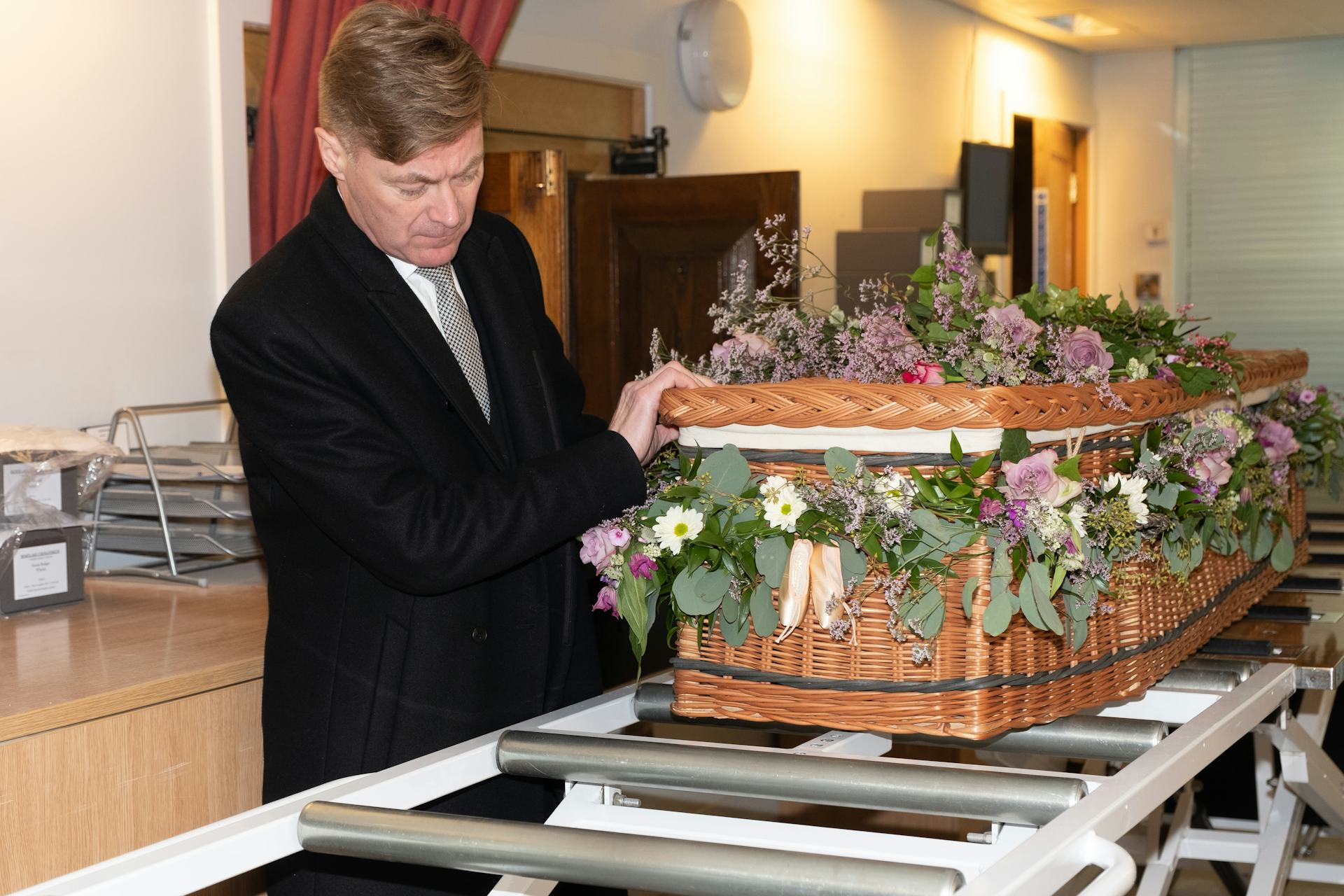
For generations, the coffin has symbolised farewell, respect, and tradition. Yet as society evolves, so too does our relationship with death and the rituals surrounding it. In New Zealand, where environmental awareness and personal expression are deeply valued, coffin design is undergoing a quiet but meaningful transformation. Today, sustainability and aesthetics are no longer separate concerns—they are shaping a new way of saying goodbye.
From Standard to Personal
Gone are the days when coffins were almost indistinguishable: heavy, dark, and uniform. Increasingly, New Zealanders are seeking designs that reflect individuality and life stories. Whether it’s a simple pine coffin for a nature lover, a hand-painted design inspired by the Southern Alps, or a sleek, modern shape that mirrors a minimalist lifestyle, the coffin has become a canvas for personal expression.
Local makers and funeral directors are responding to this shift. Some collaborate with artists or craftspeople to create bespoke pieces, while others offer modular designs that can be customised with colours, carvings, or natural finishes. The result is a farewell that feels authentic and deeply connected to the person being remembered.
Læs også:

Sustainability as a Guiding Principle
Perhaps the most significant trend in coffin design is the growing emphasis on sustainability. Many New Zealanders want their final act to align with their environmental values. This has led to a surge in demand for coffins made from responsibly sourced or biodegradable materials.
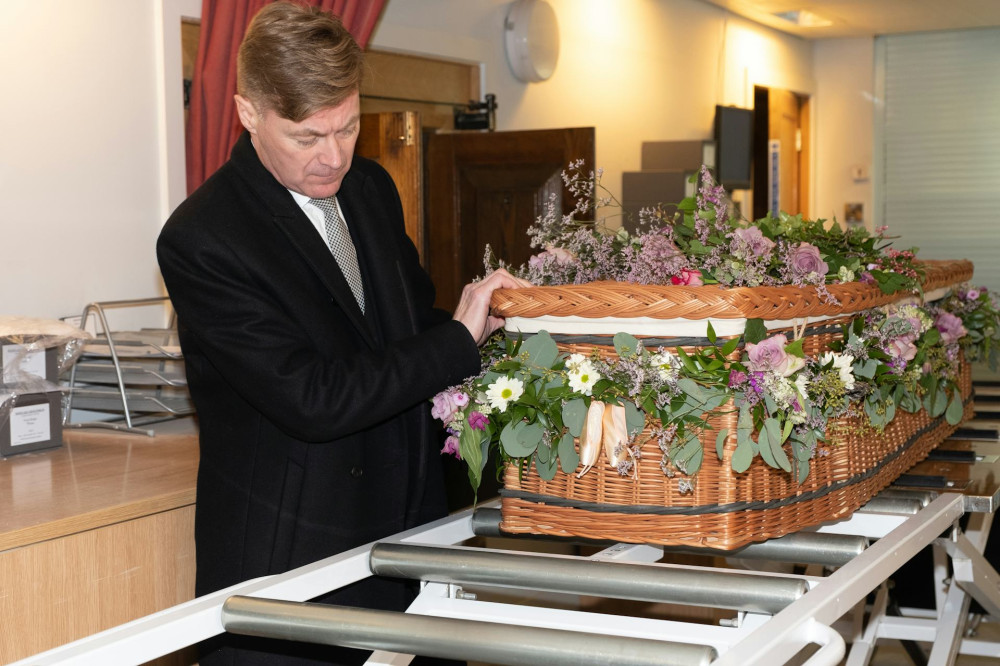
Bamboo, untreated pine, and woven willow are becoming popular alternatives to traditional hardwoods. Some designs use recycled cardboard or compressed paper pulp, which decompose naturally and leave minimal trace. Even the glues, linings, and handles are being rethought to reduce environmental impact. For those choosing cremation, lightweight and low-emission materials are helping to lower carbon footprints.
This movement aligns with the broader rise of natural burials across Aotearoa, where the focus is on returning to the earth gently and sustainably. In these settings, the coffin is not just a vessel but part of a living ecosystem.
Beauty in Simplicity
Choosing a sustainable coffin doesn’t mean sacrificing beauty. In fact, many designers see it as an opportunity to embrace simplicity and authenticity. Natural textures, soft tones, and organic forms are replacing glossy finishes and ornate details. The aesthetic often draws inspiration from New Zealand’s landscapes—coastal hues, native timbers, and the quiet elegance of natural materials.
Funeral directors note that families are often surprised by how graceful and peaceful these designs can be. The emphasis is shifting from grandeur to meaning, from decoration to connection. A sustainable coffin can be both beautiful and ethically sound—a reflection of life values carried through to the end.
Changing Rituals, Changing Values
The evolution of coffin design mirrors broader changes in how New Zealanders approach farewells. Many families now prefer ceremonies that are personal, informal, and grounded in nature. The choice of coffin, flowers, and setting becomes part of a story—one that celebrates life rather than simply marking its end.
For some, that means choosing a coffin suitable for a bush or coastal burial. For others, it’s about supporting local artisans or small-scale producers rather than mass manufacturing. These choices reflect a growing desire to live—and die—in harmony with the environment and community.
The Future of Coffin Design
As technology and values continue to evolve, coffin design is likely to become even more innovative and inclusive. Digital tools already allow families to visualise and customise designs online, while new materials and production methods promise to make sustainable options more accessible.
What remains constant is the desire for meaning. The coffin is no longer just a practical necessity—it’s a statement of identity, ethics, and beauty. In New Zealand, where respect for nature runs deep, the meeting of sustainability and aesthetics is transforming how we think about the final farewell. When design honours both the planet and the person, even the act of parting becomes a continuation of life’s story.
Læs også: