Music for Farewell: From Hymns to Modern Tunes in Funeral Rituals Around the World

Music for Farewell: From Hymns to Modern Tunes in Funeral Rituals Around the World
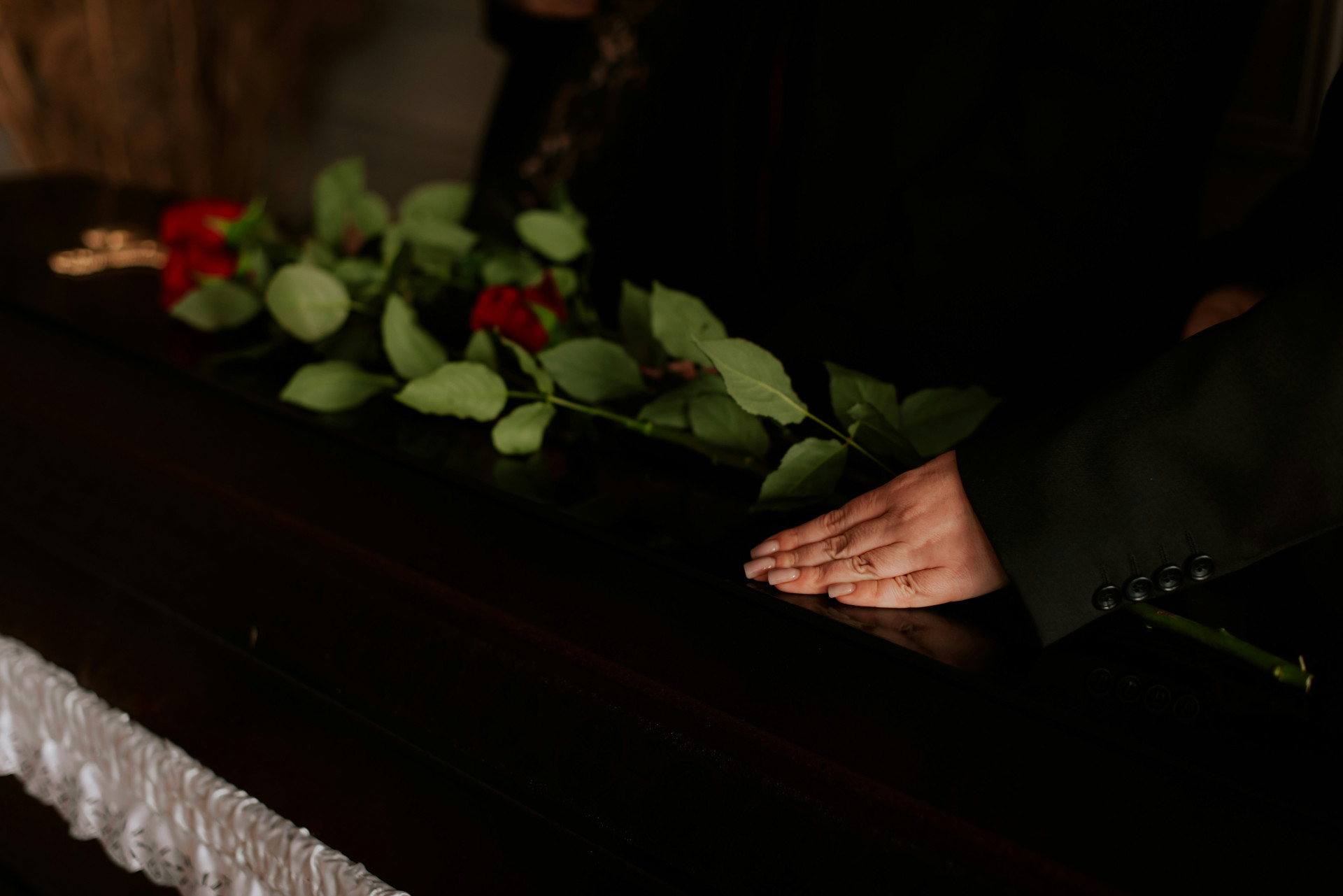
Music has always been a companion in moments of parting. It comforts, unites, and gives voice to emotions that words alone cannot express. From traditional hymns in New Zealand churches to drumming ceremonies in West Africa and contemporary ballads in the United States, funeral music reflects culture, faith, and the values of its time. Today, the choice of music at a funeral is often deeply personal – a final tribute to the life that was lived and the people left behind.
The Enduring Power of Hymns
In New Zealand, hymns have long held a central place in Christian funeral services. Their familiar melodies and words of hope offer solace and a sense of continuity. For many, singing together in church provides a shared moment of reflection and connection – a reminder that grief is not borne alone.
Even as more families choose non-religious or outdoor ceremonies, hymns such as “Abide with Me” or “Amazing Grace” remain popular. They link generations and traditions, offering comfort through their timeless messages of peace and remembrance.
From Tradition to Personal Expression
As New Zealand society has become more diverse, funeral music has evolved to reflect that variety. Families now often select songs that speak directly to the personality and passions of the deceased. A favourite waiata may be sung at a Māori tangihanga, a country tune might play for a rural farmer, or a beloved pop song could accompany a slideshow of memories.
This shift from formal to personal has made music an even more meaningful part of the farewell. It allows mourners to celebrate individuality – to remember not just that someone has died, but how they lived, laughed, and loved.
Læs også:


Music as Connection and Transition
Across the world, music serves as a bridge between the living and the dead. In Ghana, drumming and dancing celebrate the life of the departed and guide their spirit onward. In New Orleans, jazz funerals begin with slow, mournful tunes and end in joyful rhythms, symbolising the passage from sorrow to celebration. In Japan, Buddhist chants bring calm and mark the soul’s transition to a new existence. And in Mexico, during Día de los Muertos, mariachi bands fill cemeteries with vibrant songs that honour ancestors with both tears and laughter.
These traditions remind us that music is not only about saying goodbye – it is about connection: between people, generations, and worlds.
Farewell in the Digital Age
In today’s digital world, music at funerals has taken on new forms. Families create playlists on streaming platforms, share recordings of loved ones singing, or include instrumental versions of favourite songs in video tributes. Livestreamed services often feature carefully chosen soundtracks that reach friends and relatives across the globe.
Whether it’s a classical piece, a film score, or a simple guitar melody recorded at home, the goal is the same – to create a space where emotion can be felt and shared. The genre matters less than the feeling it evokes.
The Final Story Told in Song
Choosing music for a funeral is, in many ways, choosing how a life will be remembered. A single song can capture a lifetime of love, struggle, and hope. It can bring mourners together in a moment of unity, when words fall short.
Whether it’s a hymn sung in harmony, a traditional waiata echoing through a marae, or a modern ballad played softly in a chapel, music becomes the final chapter in a person’s story. And even after the last note fades, its resonance remains – a gentle reminder that while life ends, the song continues.
Læs også: