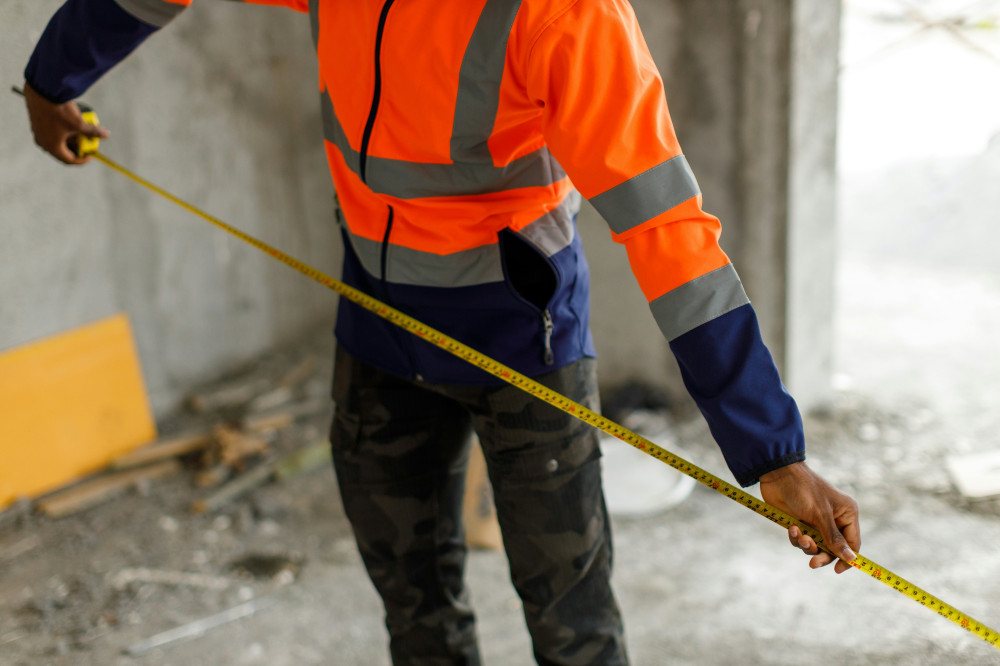
Safety on Construction Sites – What Homeowners Should Know

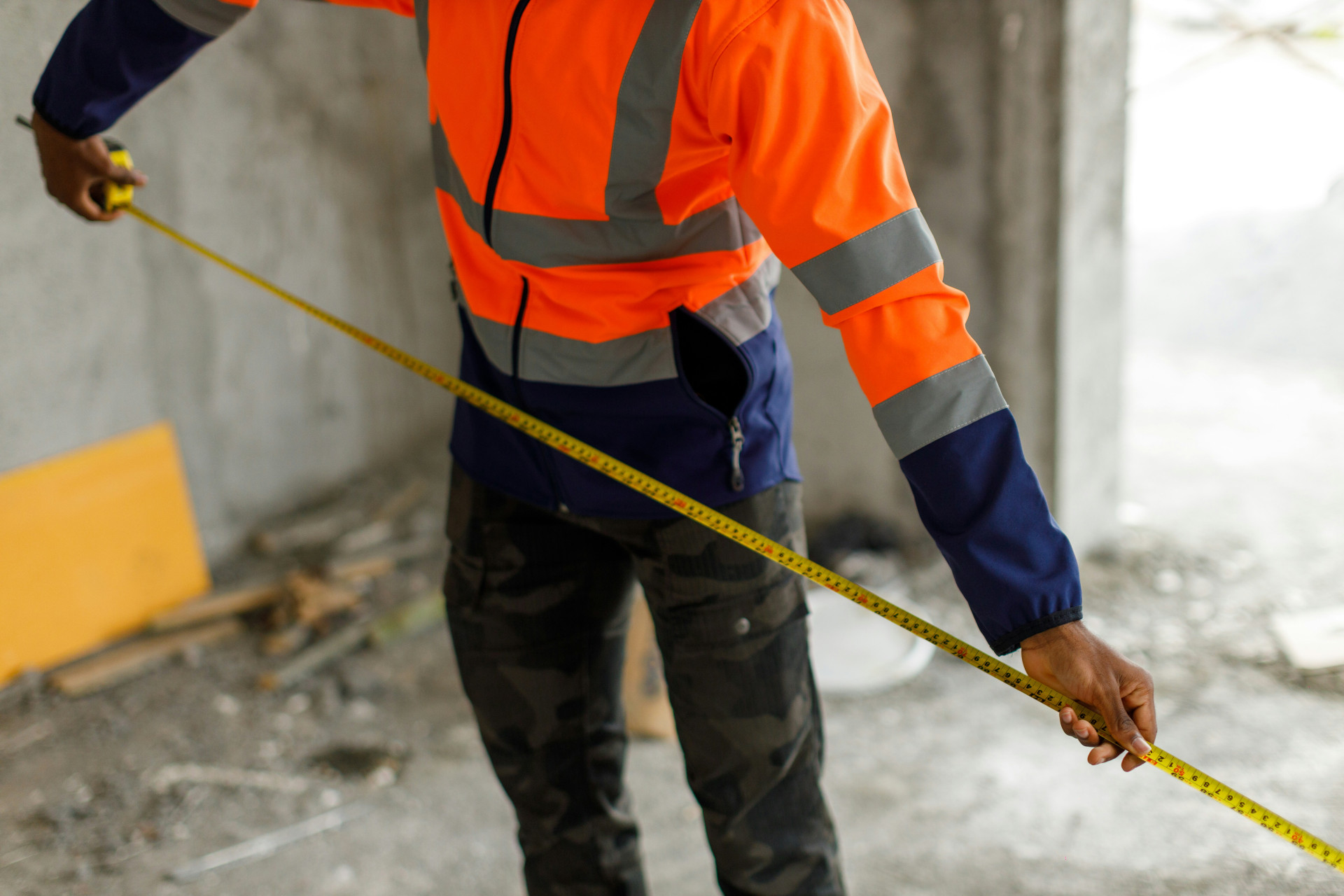
Safety on Construction Sites – What Homeowners Should Know
When you’re planning a building or renovation project on your property, there’s a lot to think about – budget, design, materials, and timelines. But one thing should always come first: safety. Construction sites, even small ones, can be hazardous if proper precautions aren’t taken. Whether you’re doing the work yourself or hiring professionals, understanding your responsibilities and the key safety measures can help prevent accidents and keep everyone protected.
Your Responsibilities as a Homeowner
In New Zealand, if you initiate building work on your property, you may be considered a Person Conducting a Business or Undertaking (PCBU) under the Health and Safety at Work Act 2015. This means you have a duty to ensure, as far as reasonably practicable, that the work is carried out safely.
If you hire licensed builders or tradespeople, they have their own health and safety obligations. However, you still need to make sure the site is safe for them to work on. This includes:
- Keeping access ways clear and stable
- Providing adequate lighting and safe entry points
- Ensuring materials and waste are stored securely
- Informing contractors about any known hazards, such as asbestos or unstable ground
For larger projects involving multiple contractors, you may need a site safety plan or a designated site manager to coordinate safety measures and communication between all parties.
If You’re Doing the Work Yourself
Many Kiwi homeowners enjoy tackling DIY projects, but it’s important to recognise the risks. Falls, electrical shocks, and tool-related injuries are among the most common causes of accidents on home construction sites.
Here are some essential safety tips:
- Use the right equipment. If you’re working at height, use a properly secured scaffold rather than a ladder.
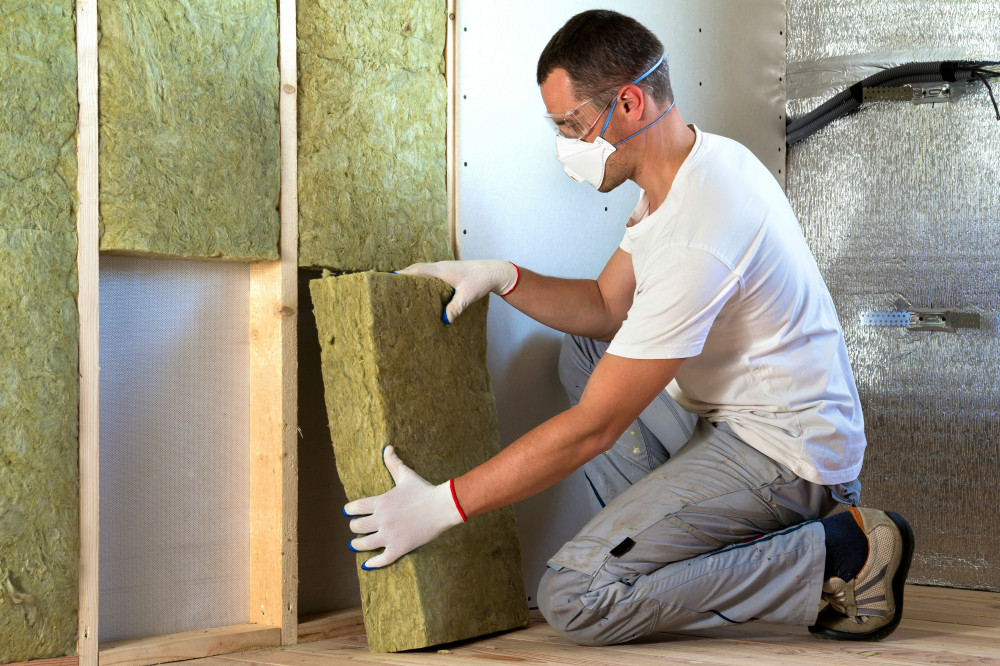
- Wear protective gear. Safety boots, gloves, helmets, and eye protection can prevent serious injuries.
- Keep the site tidy. Clear away debris, cords, and tools to reduce trip hazards.
- Know your limits. Electrical, gas, and structural work often require licensed professionals. Don’t take chances with tasks that need specialist skills.
A good rule of thumb: if you’re unsure whether something is safe or legal, check with a qualified builder or contact WorkSafe New Zealand for guidance.
When Contractors Are Working on Your Property
If you’ve hired builders, plumbers, or electricians, you don’t need to manage their work directly – but you do need to provide a safe environment. That means:
- Making sure there’s safe access to the site and parking for vehicles
- Keeping children and pets well away from the work area
- Letting workers know about any potential hazards on your property
- Agreeing on who is responsible for site security and waste removal
A tidy, well-organised site helps everyone stay safe and keeps the project running smoothly.
Safety for Neighbours and the Public
Safety doesn’t stop at your boundary. If your project is close to a footpath, driveway, or shared fence line, you must ensure that materials, tools, and debris don’t pose a risk to others. Temporary fencing, warning signs, or barriers may be required under local council regulations.
If you’re unsure about what’s needed, check with your local council or your builder – they can advise on compliance with Building Code and Health and Safety requirements.
Læs også:
Insurance and Documentation
Before work begins, review your insurance cover. Standard home insurance may not include damage or injury related to construction. You might need contract works insurance or public liability insurance, depending on the scale of the project.
Keep all documentation – contracts, safety plans, permits, and inspection reports – in one place. If an accident occurs, having clear records shows that you’ve taken reasonable steps to manage safety.
A Safe Site Is a Successful Site
Good safety practices aren’t just about avoiding accidents – they also make your project more efficient. A well-organised, hazard-free site helps tradespeople work faster and with fewer disruptions.
By taking safety seriously from the start, you protect yourself, your workers, and your community. It’s an investment in peace of mind – and in the long-term success of your building project.
Læs også: