Less Waste, More Value: How to Build Sustainably and Thoughtfully

Less Waste, More Value: How to Build Sustainably and Thoughtfully
Building today is about more than just creating something new – it’s about doing it with care. Our resources are limited, and both the environment and your wallet benefit when sustainability is part of the plan from the start. Whether you’re building a new home, renovating, or simply improving what you already have, small choices can make a big difference. Here’s how you can build with less waste and more value – for yourself, your community, and the planet.
Think Holistically from the Start
A sustainable build begins long before the first nail is hammered. It’s about seeing your home as a complete system where materials, energy use, and longevity are all connected. The earlier you integrate sustainability into your design, the easier it becomes to make the right decisions.
Consider:
- Site and orientation – a home that makes the most of the sun’s warmth and light will need less energy for heating and lighting. In New Zealand, that often means orienting living spaces to the north.
- Flexible design – plan for changing needs. A room that can serve multiple purposes extends the functional life of your home.
- Durable solutions – choose materials and construction methods that can be maintained and repaired rather than replaced.
A holistic approach helps you avoid costly and environmentally damaging changes later in the process.
Choose Materials with a Low Carbon Footprint
Material choice is one of the biggest factors in a building’s environmental impact. Concrete and steel have high carbon footprints, while timber, recycled materials, and natural products are often more climate-friendly alternatives.
- Timber is renewable, stores carbon, and is widely available in New Zealand from sustainably managed forests.
- Reclaimed materials – such as bricks, tiles, or doors – add character and reduce the need for new production.
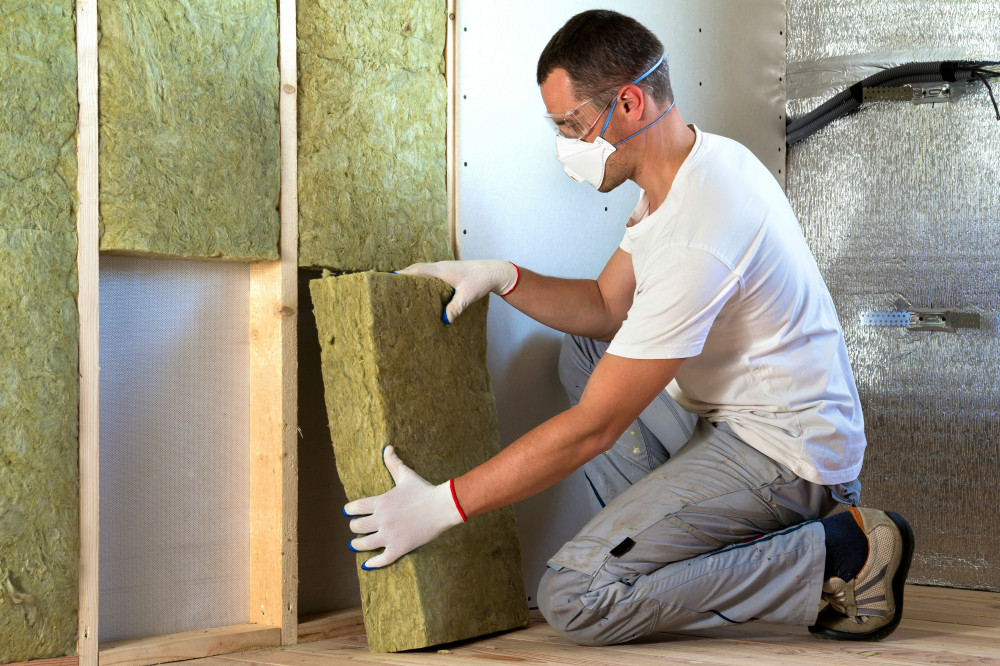
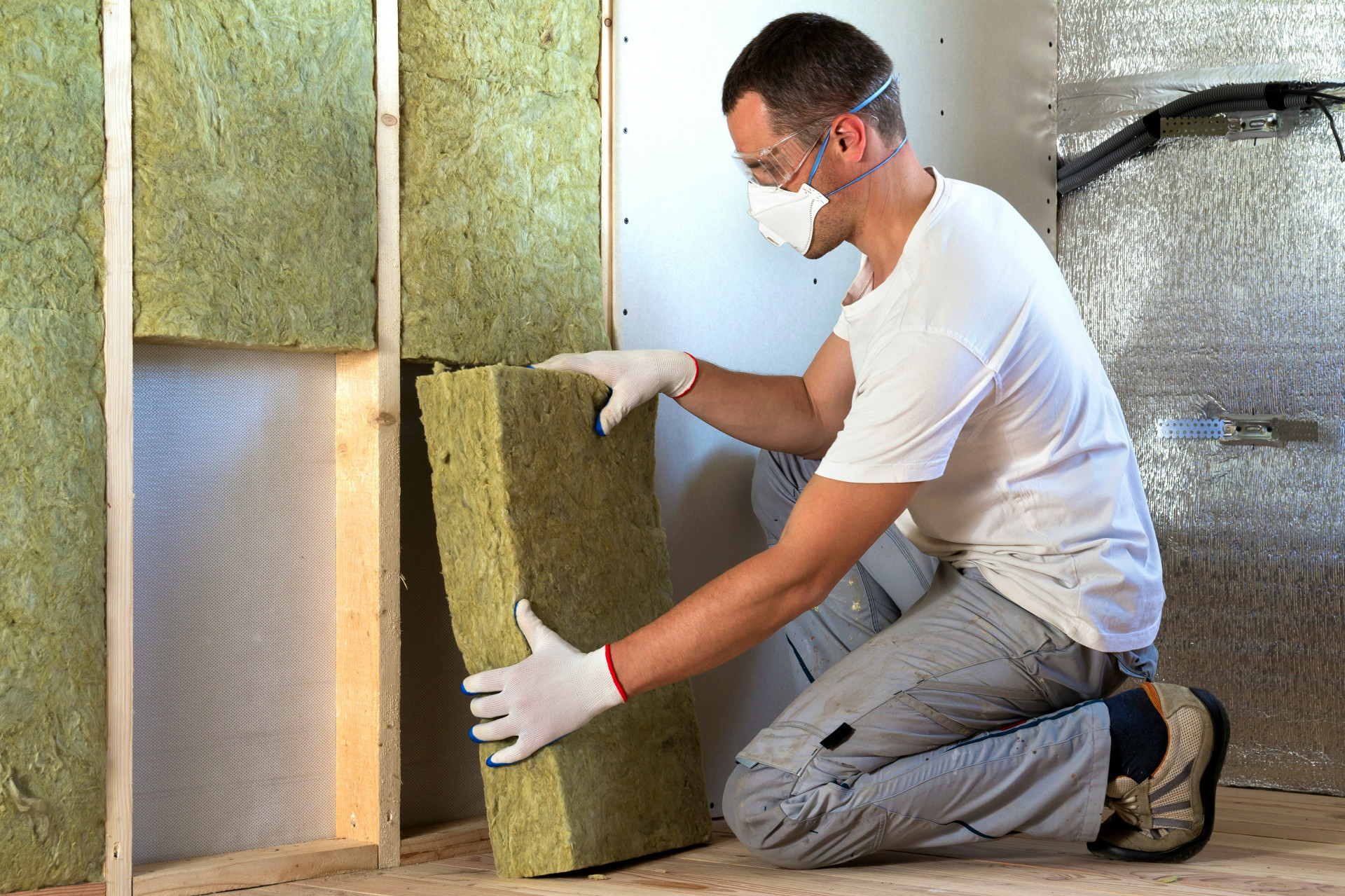
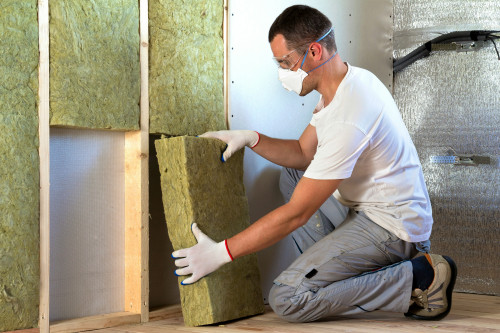
- Natural insulation made from wool, hemp, or cellulose offers excellent thermal performance and a healthy indoor climate.
Look for Environmental Product Declarations (EPDs) or sustainability certifications to compare materials and choose the most responsible options.
Build by the Principle “Less, but Better”
The size of your build has a major impact on both cost and the environment. A smaller, well-designed home can be more comfortable and affordable to run than a large, inefficient one.
Ask yourself what you truly need. Could a multi-purpose space replace two smaller rooms? Can you make better use of existing areas like attics or basements instead of extending? By building compactly and thoughtfully, you save materials, energy, and maintenance – without sacrificing quality of life.
Læs også:
Reuse and Embrace Circular Thinking
Sustainable building isn’t just about new materials – it’s also about giving existing resources a second life. Circular design means creating buildings that can be easily adapted, disassembled, and reused in the future.
- Use reclaimed materials from demolition sites or salvage yards – for example, native timber flooring or old windows.
- Design demountable structures so materials can be reused when the building is modified.
- Try upcycling – turning old scaffolding planks into benchtops or bricks into garden paths.
It takes a bit more planning, but the result is often more unique, characterful, and sustainable.
Energy and Operation – Think Long Term
An energy-efficient home is good for both the planet and your budget. Investing in good insulation, airtightness, and renewable energy systems pays off over time.
- Solar panels can cover a large share of your electricity needs, especially in sunny regions like Hawke’s Bay or Nelson.
- Heat pumps efficiently use energy from the air or ground, reducing reliance on fossil fuels.
- Natural ventilation and well-placed windows create a healthy indoor climate without unnecessary energy use.
Also think about maintenance: choose materials that require little upkeep and systems that are easy to service. This extends the life of your home and reduces resource use.
Build for People and the Planet
Sustainability isn’t only about materials and energy – it’s also about wellbeing. A healthy indoor environment, natural light, and non-toxic materials all contribute to quality of life.
Avoid products with harmful chemicals, and choose paints, adhesives, and finishes with low emissions. Ensure good acoustics and ventilation – it makes your home more comfortable and healthier to live in.
When you build with care, you create not just a house, but a home that’s good for both people and nature.
Small Steps, Big Impact
You don’t need to build a certified passive house to make a difference. Even small choices – like reusing materials, sourcing locally, or reducing waste on site – contribute to a more sustainable outcome.
The key is to think holistically and take responsibility for your decisions. Less waste and more value ultimately mean building smart – with respect for resources, community, and the future.
Læs også: