Maintain Your Home Extension – How to Keep It Looking Great and Functional for Years to Come

Maintain Your Home Extension – How to Keep It Looking Great and Functional for Years to Come
A home extension can transform your living space – adding light, room, and flexibility to suit your family’s lifestyle. But to keep it looking good and performing well for years, regular maintenance is essential. New Zealand’s varied climate – from coastal humidity to strong UV exposure and heavy rain – can take a toll on materials. With a little care and attention, you can protect your investment and enjoy your extension for decades. Here’s how.
Start with an Annual Inspection
A thorough check-up once a year is the best way to stay on top of maintenance. Walk around your extension, inside and out, and look for early signs of wear.
- Roof and gutters: Check for cracked tiles, loose flashings, or blocked gutters. Overflowing gutters can cause leaks and damp patches in walls or ceilings.
- Exterior cladding and foundation: Look for cracks, peeling paint, or discolouration. These can indicate moisture problems or movement in the structure.
- Windows and doors: Inspect seals, hinges, and paintwork. Draughts or condensation may mean it’s time to replace weatherstripping or reseal joints.
- Interior surfaces: Keep an eye out for stains or mould in corners and ceilings – they often point to hidden leaks.
Make a list of issues and prioritise repairs. Tackling small problems early prevents costly damage later.
Læs også:
Keep Moisture Under Control
Moisture is one of the biggest threats to any building in New Zealand’s damp and changeable climate. Good drainage and ventilation are key.
- Drainage and downpipes: Clear them regularly so rainwater flows away from the house.
- Ventilation: Use extractor fans in bathrooms, laundries, and kitchens, and open windows when possible to reduce humidity.
- Protective coatings: Repaint or reseal timber and exterior surfaces as recommended to prevent water absorption.
- Ground levels: Ensure soil and paving slope away from the foundation to stop water pooling near walls.
If you notice dampness, find the source before treating the symptoms. A dehumidifier can help temporarily, but fixing leaks or poor drainage is the real solution.
Care for Timber Features
Many New Zealand extensions include timber elements – from weatherboards to decks and window frames. Timber needs regular care to stay strong and attractive.
- Clean and wash: Remove dirt, mould, and salt deposits with a mild detergent and soft brush.
- Check for rot: Press gently on suspect areas – soft spots may indicate decay.
- Repaint or oil: Apply protective coatings when the wood is dry and the weather is mild, typically in late spring or early autumn.
Regular maintenance not only keeps timber looking good but also extends its lifespan in New Zealand’s harsh sun and wet conditions.
Ensure Good Insulation and Airtightness
A well-maintained extension should be comfortable year-round. Poor insulation or air leaks can lead to cold draughts in winter and overheating in summer.
- Inspect seals and joints: Fill gaps around windows and doors with flexible sealant.
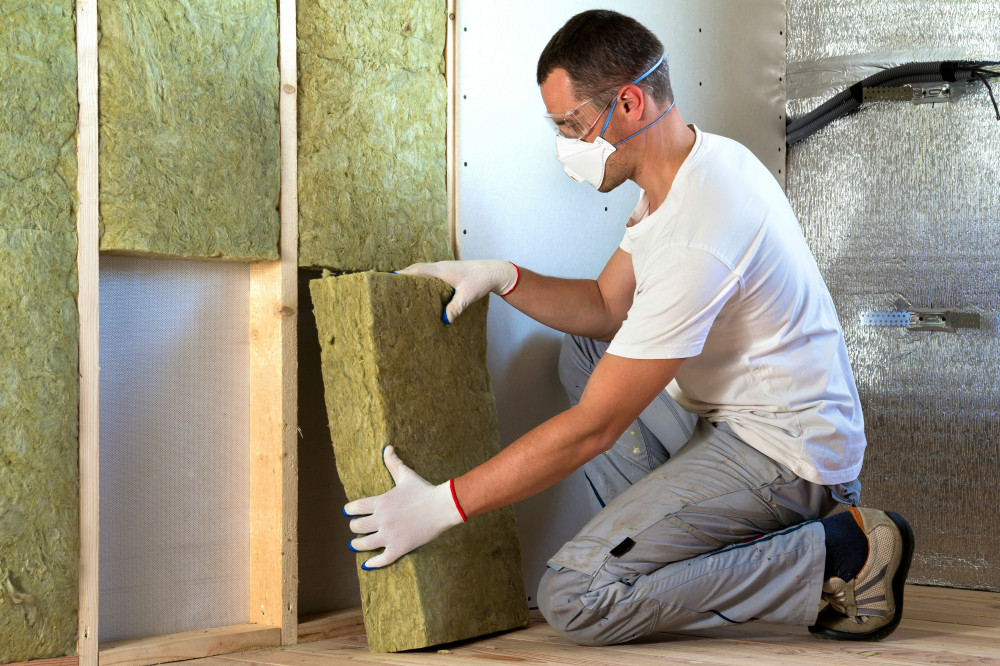
- Upgrade insulation if needed: Older extensions may benefit from additional ceiling or wall insulation.
- Check ventilation systems: Balanced ventilation helps maintain air quality without losing heat.
Good insulation and airtightness improve comfort, reduce energy bills, and make your home more sustainable.
Maintain the Surrounding Outdoor Areas
The area around your extension also affects its durability. Proper landscaping and drainage protect the structure and enhance your property’s appearance.
- Slope surfaces away from the house: Paths and patios should direct water away from walls.
- Trim vegetation: Keep plants and trees from touching the exterior – they can trap moisture and damage cladding.
- Clean paving and decks: Remove moss and algae to prevent slippery surfaces and moisture buildup.
A tidy, well-drained outdoor area not only looks great but also helps preserve your extension.
Plan Your Maintenance Year
Maintenance is easier when it’s part of your routine. Create a simple schedule with seasonal tasks:
- Spring: Clean gutters, wash exterior walls, check timber and repaint if needed.
- Summer: Repair and reseal outdoor surfaces, inspect decks and windows.
- Autumn: Clear drains and downpipes before heavy rain, check roof and seals.
- Winter: Monitor indoor humidity and watch for condensation or leaks.
By keeping up with these regular checks, you’ll prevent small issues from becoming major repairs – and ensure your home extension stays beautiful, comfortable, and functional for many years to come.
Læs også: