Wild Food: From Nature’s Pantry to Your Plate

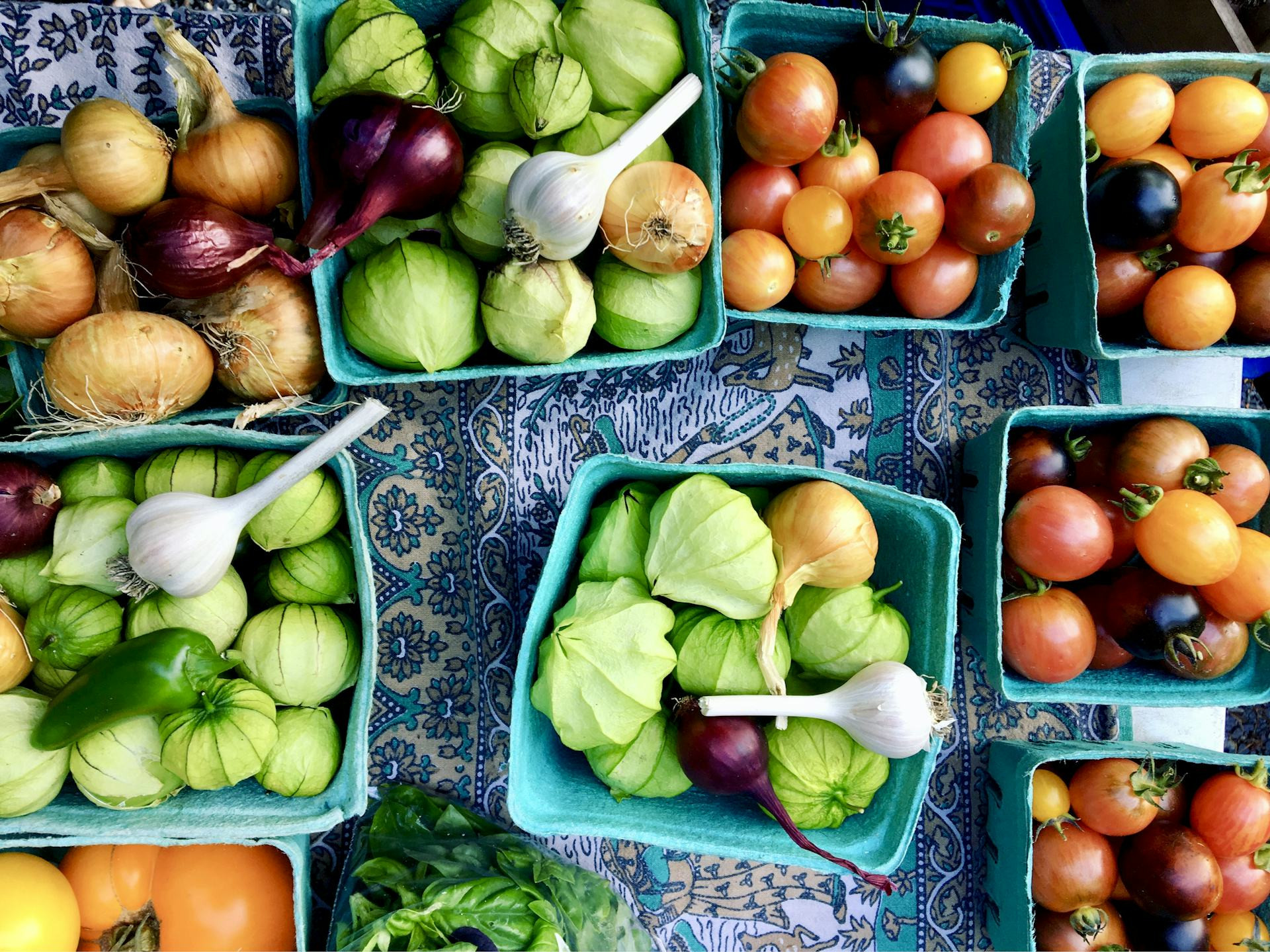
Wild Food: From Nature’s Pantry to Your Plate
Gathering food from the wild is one of humanity’s oldest traditions – and one that’s finding new life in modern New Zealand. As more Kiwis look for sustainable, local, and flavourful ways to eat, foraging has become a way to reconnect with the land and sea. From native greens and coastal herbs to wild mushrooms and seaweed, Aotearoa offers a rich and diverse pantry waiting to be explored. Here’s how you can bring nature’s ingredients to your own table.
What Is Wild Food?
Wild food is all about using ingredients that grow naturally without cultivation or processing. It might be kawakawa leaves from the bush, pūhā from the roadside, or kina and mussels from the sea. Many of these foods have long been part of Māori and early settler diets, but were overshadowed by supermarket convenience. Now they’re returning – not as survival food, but as gourmet treasures.
Foraging isn’t just about eating; it’s about slowing down and seeing the landscape differently. You begin to notice the rhythm of the seasons, the scent of the bush after rain, and the abundance that nature quietly offers.
Spring: Fresh Shoots and Forest Greens
Spring in New Zealand bursts with new life, and it’s the perfect time to gather tender greens and herbs.
- Pūhā (sow thistle) – a traditional favourite, slightly bitter and delicious when blanched or added to stews.
- Kawakawa – aromatic leaves that can be brewed into tea or used to season fish and meat.
- Watercress – found in clean streams; peppery and perfect in salads or soups.
- Wild fennel – grows along roadsides and coastal areas; use the fronds for a fresh, aniseed flavour.
Always harvest away from polluted areas and take only what you need, leaving enough for the plants to regenerate.
Summer: Berries, Blossoms, and Coastal Flavours
Summer brings colour and sweetness to the wild pantry. Forest edges and coastlines are full of edible surprises.
- Blackberries – abundant in late summer; great for jams, pies, or simply eaten fresh.
- Manuka flowers – can be infused in honey or used to flavour drinks.
- Sea rocket and glasswort – salty coastal plants that pair beautifully with seafood.
- Wild mint and lemon balm – perfect for refreshing teas or desserts.
Summer is also the time to dry herbs for winter use. Hang small bunches in a cool, airy place and store them in jars once crisp.
Autumn: Mushrooms, Nuts, and Forest Fruits
Autumn is the season of abundance, when the forest floor comes alive with fungi and fallen fruit.
- Field mushrooms and porcini – found in paddocks and under pines; always identify carefully before eating.
- Walnuts and hazelnuts – gather them before the birds and possums do.
- Feijoas and wild apples – ideal for chutneys, crumbles, or fresh eating.
- Harakeke (flax) seeds – can be roasted and sprinkled over salads for a nutty crunch.
If you’re new to mushroom foraging, join a local mycology group or guided walk to learn safe identification.
Læs også:
Winter: Seaweed, Roots, and Preserving
Even in the cooler months, nature provides. The sea, in particular, remains generous year-round.
- Karakas and pikopiko – traditional Māori foods that can be prepared carefully for winter meals.
- Seaweed (rimu, karengo, bladder kelp) – rich in minerals and umami flavour; use in soups, broths, or as a seasoning.
- Wild horopito – a native pepper leaf that adds heat to stews and marinades.
- Preserving – winter is the time to pickle, ferment, and dry the bounty of earlier seasons.
Tips for Beginners
- Learn before you pick – use a reliable field guide or local foraging app to identify plants safely.
- Harvest responsibly – take only what you’ll use and leave enough for wildlife and regrowth.
- Respect the land – seek permission on private property and follow local regulations, especially in conservation areas.
- Taste carefully – wild foods can be strong or unfamiliar; start with small amounts.
- Share the experience – foraging with friends or whānau makes it more enjoyable and educational.
From Nature to Your Plate
Once you start cooking with wild ingredients, you’ll discover a new depth of flavour and connection. A handful of kawakawa can transform a simple fish dish, and a sprinkle of dried seaweed can elevate a bowl of soup. Wild food isn’t about replacing your pantry – it’s about enriching it, and rediscovering the bond between people, place, and plate.
Foraging invites us to eat with the seasons, to understand where our food comes from, and to appreciate the generosity of the land and sea. Nature’s pantry is always open – you just need to step outside and taste it.
Læs også: