Kids in the Kitchen: Exploring Food Culture Through Play and Shared Cooking


Kids in the Kitchen: Exploring Food Culture Through Play and Shared Cooking
Cooking with children is about much more than getting dinner on the table. It’s a chance to explore flavours, traditions, and cultures – while strengthening family bonds. When kids are invited to take part in the kitchen, they develop practical skills, curiosity, and confidence. Here’s how cooking can become a playful and meaningful experience for the whole family.
Food as a Shared Experience
For many Kiwi families, the kitchen is the heart of the home. It’s where stories are shared, laughter fills the air, and the smell of something delicious brings everyone together. When children are included, cooking turns from a chore into a shared activity. It can be as simple as stirring a pot, washing vegetables, or setting the table – what matters most is that they feel part of the process.
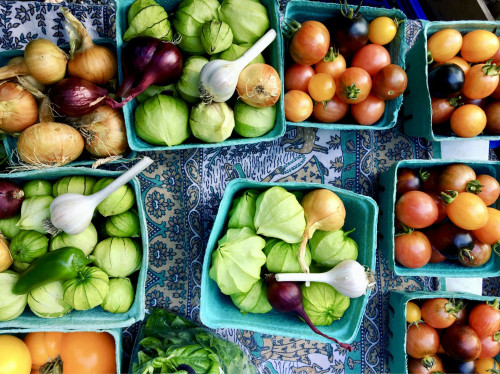
Cooking together also opens up conversations about where food comes from and how it’s produced. It’s a great way to talk about Aotearoa’s natural resources, local farming, and the importance of caring for the environment. These small moments can help children understand the connection between food, people, and place.
Learning Through Play
Children learn best through play, and the kitchen is a perfect place to mix fun with learning. Turn cooking into a creative playground where kids can experiment with colours, textures, and tastes.
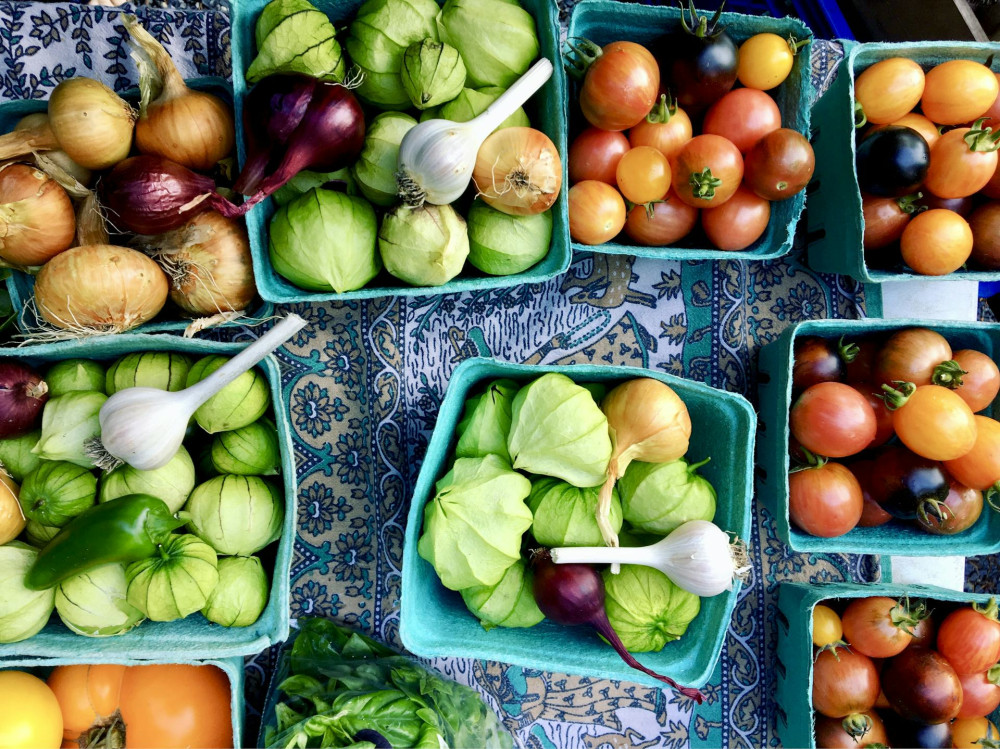
- Cook the colours of the rainbow – let kids pick fruits and vegetables in different colours to make a bright salad or smoothie.
- Baking as maths – measure, weigh, and count ingredients together. It’s a hands-on way to practise numbers and proportions.
- Taste the world – choose a country and make a dish from there. Talk about how people eat differently around the world and what makes each culture special.
- Food art – decorate pizzas with funny faces, make fruit kebabs shaped like animals, or use cookie cutters to create fun shapes from bread or cheese.
When children are encouraged to experiment, they become more open to new flavours and proud of what they’ve helped create.
Building Confidence Step by Step
It can be tempting to do everything yourself to avoid mess or mistakes, but kids learn most when they’re trusted to try. Start with small, age-appropriate tasks:
- Ages 3–5: Wash vegetables, stir batter, sprinkle cheese on top of dishes.
- Ages 6–8: Cut soft ingredients with a child-safe knife, whisk eggs, shape dough.
- Ages 9–12: Follow a simple recipe, cook pasta, or flip pancakes with supervision.
The more responsibility children are given, the more their confidence grows. It’s not about perfection – it’s about creating a positive experience where mistakes are part of learning.
Food Culture as Family Heritage
Food is a powerful way to connect with culture and identity. By involving children in the kitchen, you can pass on family traditions – or create new ones together. Maybe it’s baking Anzac biscuits for a special occasion, preparing a hangi-inspired meal, or making a Sunday roast that everyone helps with.
Cooking can also be a window to the wider world. Try making sushi, tacos, or curry, and talk about how different cultures use spices, ingredients, and cooking methods. It’s a fun way to teach kids about diversity and respect for other traditions.
Læs også:
Creating the Right Environment
To make cooking with kids enjoyable, it helps to set up a calm and welcoming space. Allow plenty of time, keep the atmosphere relaxed, and don’t worry too much about the mess – it can always be cleaned up later.
A few helpful tips:
- Have aprons ready and let kids choose their own.
- Prepare ingredients in advance so children can focus on the fun parts.
- Put on some music and make it feel like a celebration.
- Praise their effort, not just the final result.
When cooking feels positive and playful, children will want to join in again – and that’s when the real learning happens.
From Kitchen Play to Life Skills
Cooking is one of the most valuable life skills a child can learn. Kids who grow up helping in the kitchen often become more independent, mindful, and capable adults. They learn to take responsibility, work as a team, and use their senses creatively.
But perhaps most importantly, they discover that food isn’t just about eating – it’s about connection, curiosity, and the joy of creating something together.
Læs også: