The living room’s focal point – how to create a natural centre for togetherness

The living room’s focal point – how to create a natural centre for togetherness
The living room is the heart of the home – the place where we gather, unwind, and share everyday moments. But how do you create a space that feels both inviting and naturally centred around connection? A place where conversations flow easily and everyone feels comfortable staying a little longer? It’s not just about furniture and colour schemes – it’s about finding the right balance between function, atmosphere, and personality. Here’s how to make your living room a natural focal point for togetherness.
Start with purpose – what should your living room do?
Before you start rearranging furniture, think about how you actually use the space. Is it a spot for relaxing in front of the TV, chatting with friends, playing with the kids – or all of the above? Once you know the room’s main purpose, it becomes easier to design a focal point that fits your lifestyle.
- For conversation and connection: Arrange seating so people face each other rather than the screen. It encourages eye contact and easy conversation.
- For relaxation: Create a calm zone with soft textures, layered lighting, and enough space to stretch out.
- For family activities: Choose flexible furniture that can be moved around for board games, movie nights, or impromptu dance sessions.
A true focal point supports the activities that matter most to you and your household.
Furniture placement that fosters connection
The way you position your furniture has a huge impact on how the room feels. Many living rooms are built around the sofa, but that alone doesn’t always create a sense of togetherness.
Think in zones: a seating area for conversation, a reading nook, maybe a small table for coffee or games. When furniture is arranged in a circle or semi-circle, it naturally draws people in. Avoid pushing everything against the walls – it can make the room feel cold and disconnected.
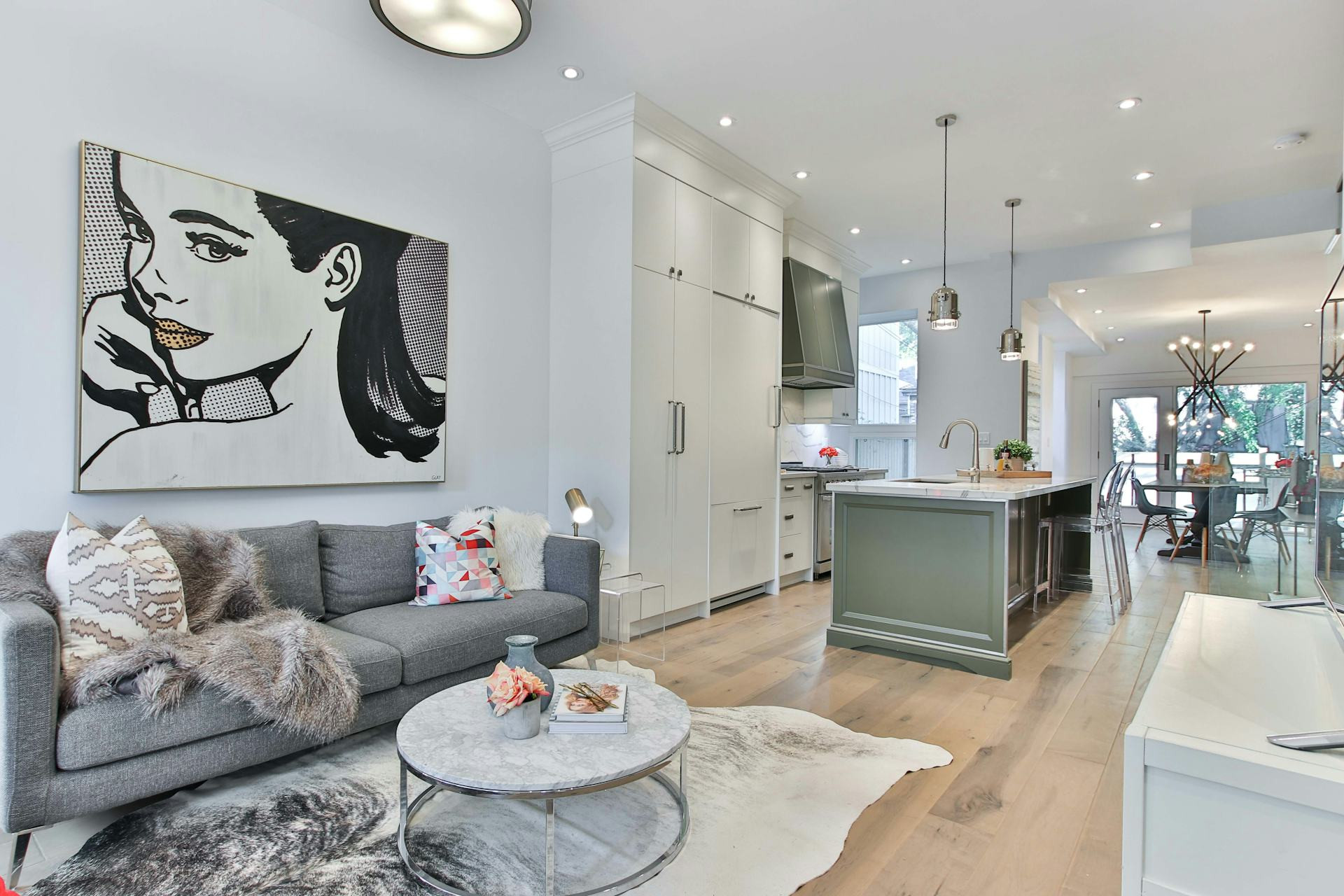
A large rug under the main seating area helps visually anchor the space and define the centre. It adds warmth, texture, and a sense of cohesion.
Light, colour, and materials that invite you in
The atmosphere of a living room depends greatly on light and colour. A natural focal point needs a balance between brightness and warmth.
- Lighting: Layer your lighting – combine ceiling lights with floor and table lamps so you can adjust the mood. Warm, dimmable light makes the space feel more welcoming.
- Colours: Soft neutrals like sand, cream, or grey create calm, while earthy tones such as olive, terracotta, or clay add depth and personality.
- Materials: Natural textures like timber, wool, linen, and ceramics bring a tactile, grounded feel that suits New Zealand’s relaxed lifestyle.
Small details – cushions, throws, and indoor plants – can transform the space, adding life and comfort without overwhelming it.
Create a focal point – but keep it flexible
A living room’s focal point can take many forms. For some, it’s a fireplace; for others, a large window framing a view of the garden or the sea. The key is that it feels organic, not forced.
If you have a fireplace, let it anchor the room and arrange seating around it. If not, you can create a centrepiece with a statement artwork, a coffee table styled with books and greenery, or a shelving unit that displays meaningful objects.
Flexibility is important too. A space that can adapt to different occasions feels more alive. Lightweight chairs, movable ottomans, or a modular sofa make it easy to shift the layout for guests or quiet evenings at home.
Personality and presence in your décor
A focal point isn’t just about aesthetics – it’s about emotion. Personal touches are what make a living room truly yours. Family photos, travel mementos, or art by local New Zealand makers add authenticity and warmth.
Avoid clutter; choose a few meaningful pieces rather than many small ones. This creates visual calm and keeps the focus on people rather than possessions.
Scented candles, fresh flowers, or a favourite playlist can also enhance the atmosphere, turning the room into a place where everyone feels at ease – whether you’re hosting friends or enjoying a quiet Sunday afternoon.
Læs også:

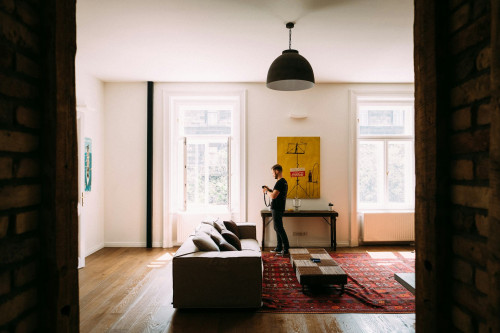
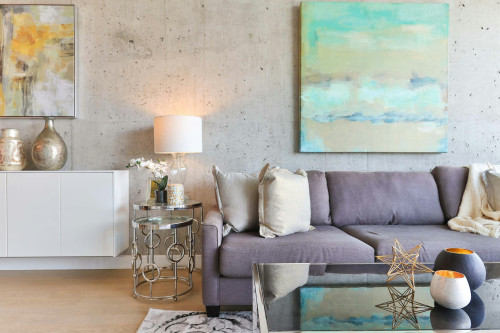

A living space that brings people together
A living room that serves as a focal point isn’t static – it evolves with your life. The reading corner might become a play area, or the coffee table might host long chats over wine instead of board games.
What matters most is that the space feels alive and open – a place where you can be yourself and be together at the same time. When your living room supports connection and comfort, it becomes more than just a room – it becomes the true heart of your home.
Læs også: