Holiday Home with Flexibility: Floor Plans that Create Calm and Freedom

Holiday Home with Flexibility: Floor Plans that Create Calm and Freedom
A holiday home should be a retreat – a place where everyday routines fade away and time slows down. But to create the sense of calm and freedom many people dream of, the layout needs to be carefully considered. Flexibility in design allows the home to adapt to different ways of living: family gatherings, guests, remote work, or quiet weekends alone. Here’s how you can design a flexible holiday home in New Zealand – one that feels relaxed, open, and ready for anything.
Flexibility as the Key to Calm
It might sound contradictory, but flexibility and calm go hand in hand. When a space can serve multiple purposes and the home can adjust to changing needs, it creates a sense of ease. You don’t have to plan every detail in advance – the house can follow your rhythm, whether you’re spending a solo winter weekend or hosting the whole family in summer.
Flexibility isn’t just about movable furniture; it’s about creating zones and moods. A room can be open and social one day, and more private the next. This balance between connection and retreat is at the heart of the calm many seek in a holiday home.
Open Spaces with Options for Privacy
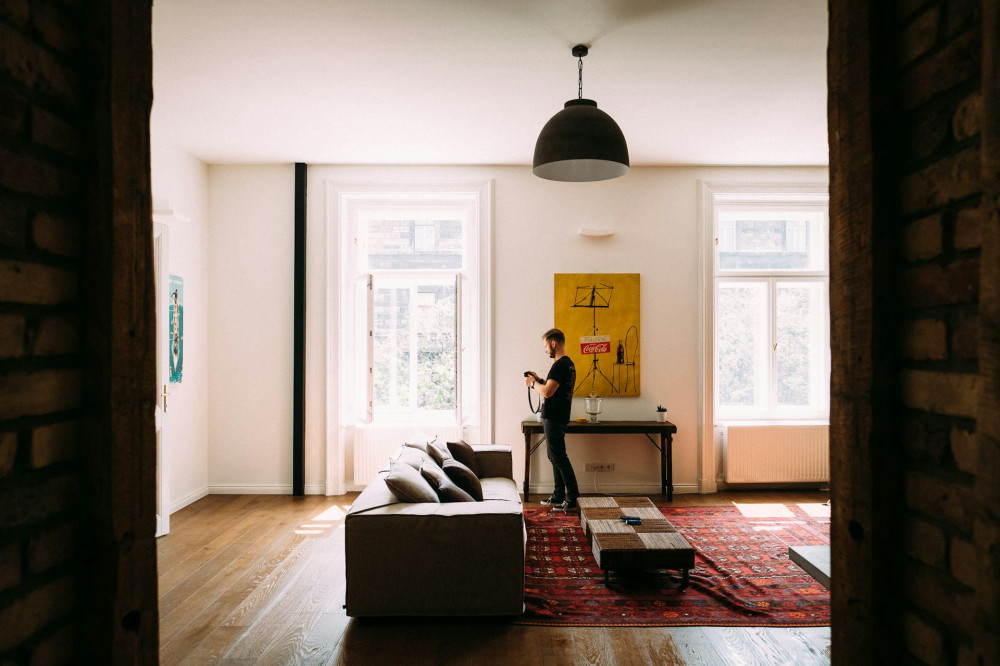
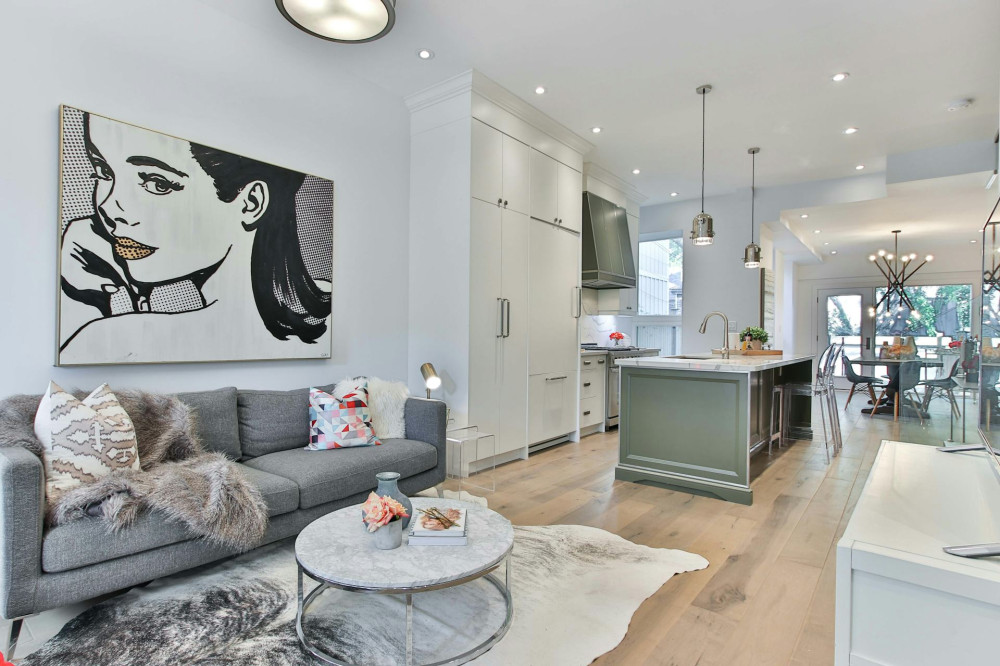
Many modern New Zealand holiday homes feature open-plan living areas where kitchen, dining, and lounge flow together. This brings in light and a sense of spaciousness, but it can also become noisy when several people are around. Flexible design solutions can make a big difference.
- Sliding or folding doors can create temporary rooms that block sound and activity without losing the open feel.
- Lightweight partitions or shelving units can define zones – for example, a reading nook or workspace.
- Curtains or fabric panels can soften the space while improving acoustics.
This way, you can keep the airy atmosphere but still create small pockets of peace when needed.
Læs også:
Multi‑Purpose Rooms and Furniture
In a holiday home, every square metre counts. Rooms and furniture that serve more than one purpose make the space more adaptable. A guest room can double as an office, a kids’ room can become a play area and sleeping space, and a built‑in nook can be both a reading spot and an extra bed.
Consider furniture that changes with your needs:
- A sofa bed in the living area provides extra sleeping space without clutter.
- A fold‑down table can serve as a desk or additional dining surface.
- Built‑in benches with storage keep things tidy while adding seating.
When furniture is flexible, the home feels more spacious and alive – never overcrowded.
Light, Air, and Connection to Nature
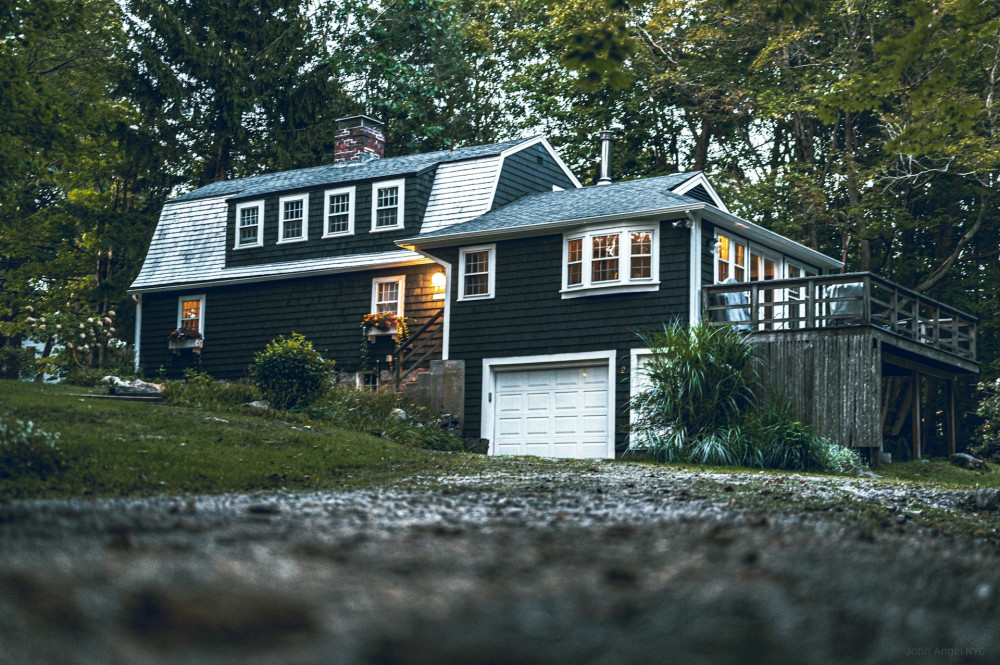
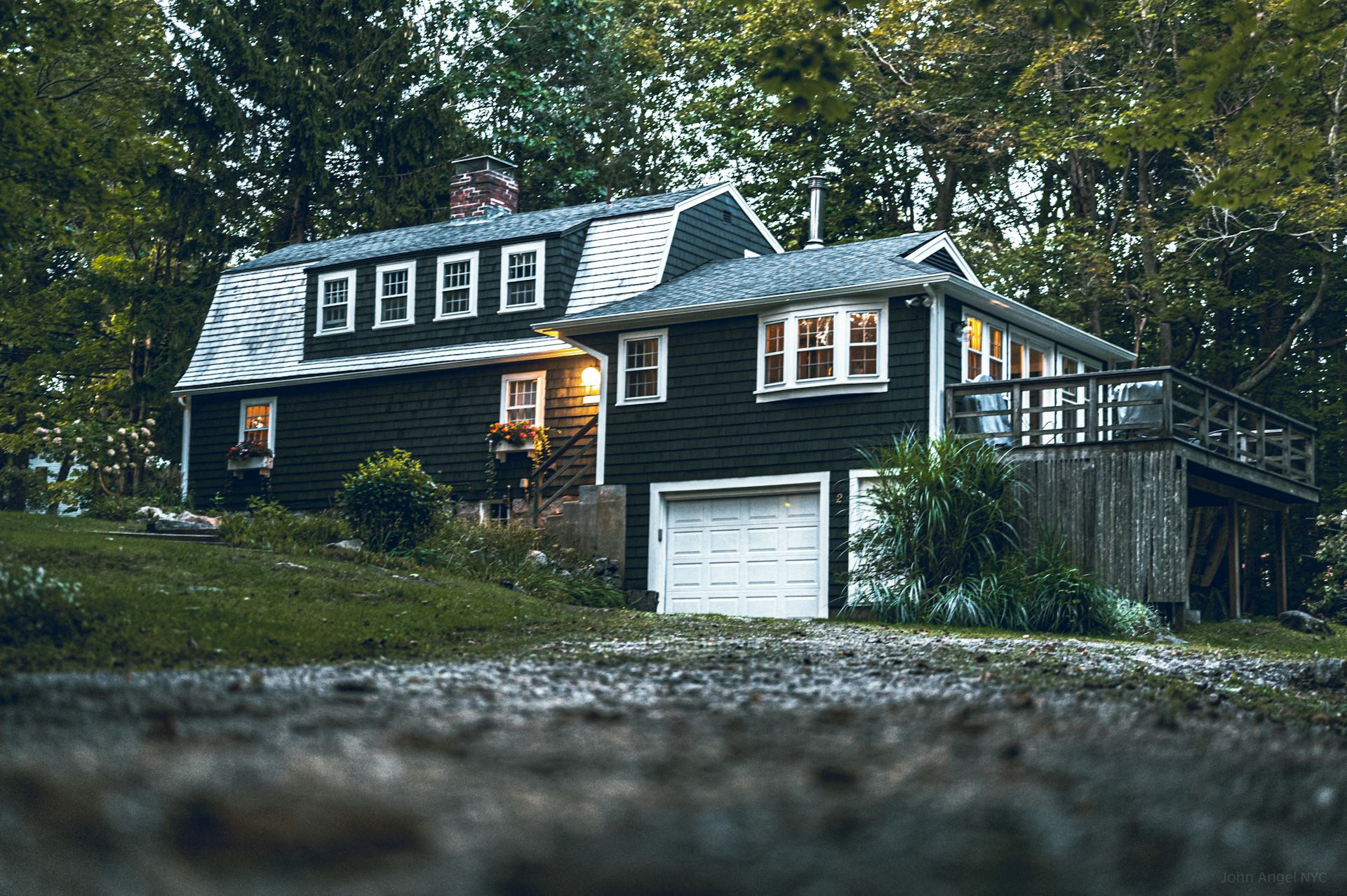
Flexibility also means being able to open up or close off the home to suit the weather and the season. Large windows, sliding doors, and covered outdoor areas make it possible to enjoy the house year‑round.
In summer, let the home flow out to the deck and garden. In winter, retreat to a warm corner with a view of the landscape. Think about:
- Covered decks or verandas – perfect for outdoor living even in changing weather.
- Wide sliding doors – connecting indoors and outdoors seamlessly.
- Window seats or nooks – inviting spots to enjoy the light and scenery.
When architecture follows the rhythm of nature, the home becomes a place that nurtures calm in every season.
Zones for Togetherness and Solitude
A well‑designed holiday home offers space for both social time and solitude. This can be especially important when the home is shared by several generations or groups of friends. The floor plan can help everyone find their own rhythm.
Think in zones:
- An active zone with kitchen, dining, and living areas where life happens.
- A quiet zone with bedrooms, reading corners, or a small study.
- An outdoor zone where decks, patios, and the surrounding landscape extend the living space.
When each area supports different needs, it’s easier for everyone to relax – and that’s what makes a holiday home truly restorative.
A Home That Grows with You
A flexible holiday home isn’t just practical – it’s an investment in the future. Needs change over time: children grow up, friends visit more often, and you might decide to spend longer periods there. A layout that can evolve makes it possible for the home to grow with you.
This could mean preparing for an extra bathroom later, designing spaces that can be reconfigured, or choosing durable materials that age gracefully. In this way, the home remains both functional and meaningful for years to come.
Freedom Through Thoughtful Simplicity
Ultimately, flexibility is about freedom. When a home is designed with care, you can use it however you like – without constant rearranging or renovation. That brings peace of mind and space to enjoy what truly matters: time, nature, and connection.
A flexible holiday home doesn’t have to be larger or more expensive. It just needs to be intelligently designed – with respect for both function and feeling. And that’s where true freedom lives.
Læs også: