Earn a Little Extra: Small Side Projects That Can Bring in Additional Income

Earn a Little Extra: Small Side Projects That Can Bring in Additional Income
Many New Zealanders are looking for ways to stretch their budgets a little further – whether it’s to save for a trip, pay off debt, or simply make everyday life more comfortable. The good news is that you don’t need to change careers or invest large sums to boost your income. With a few small side projects, you can turn your skills, hobbies, and spare time into extra cash. Here are some ideas to get you started.
Use Your Skills – Freelancing and Micro‑Jobs
If you have skills in writing, design, translation, or IT, freelancing can be a flexible way to earn extra money. Platforms like Upwork, Fiverr, and Freelancer make it easy to find short‑term projects you can complete from home.
You decide how much time to commit and which projects to take on. It could be anything from writing blog posts to creating logos or managing social media for small businesses. Even a few hours a week can make a noticeable difference – and might even lead to new career opportunities.
Sell What You Don’t Use – or Create Something New
Most of us have items lying around that we no longer need: clothes, furniture, electronics, or books. Selling them on Trade Me, Facebook Marketplace, or local community pages can help you declutter while earning some extra cash.
If you’re creative, you can take it a step further by upcycling old items into something new. Painting furniture, making jewellery from recycled materials, or sewing tote bags from fabric scraps are all popular options. You can sell your creations at local markets or online through Etsy or Felt. It’s a fun, sustainable way to earn while expressing your creativity.
Share Your Knowledge – Tutoring and Online Courses
Do you have a skill or area of expertise others could learn from? Teaching can be a rewarding way to earn extra income. You might offer guitar lessons, language tutoring, or help students prepare for NCEA exams.
You can teach in person or online using platforms like Superprof, Zoom, or even social media. If you want to think long‑term, consider creating an online course and selling it through sites like Teachable or Udemy. It takes some effort to set up, but once it’s running, it can generate passive income over time.
Læs også:


Rent Out What You Own
The sharing economy makes it easy to earn from things you already have. If you have a spare room, you can rent it out through Airbnb. A car that sits unused most of the week can be listed on platforms like Mevo or YourDrive. You can even rent out tools, camping gear, or sports equipment to locals through community apps.
It’s a simple way to make your assets work for you – just make sure to check insurance and tax requirements before you start.
Micro‑Investing and Passive Income
If you have a bit of savings, you can let your money work for you through micro‑investing. Apps like Sharesies, Hatch, or Kernel make it easy to invest small amounts in shares or funds. You don’t need to be an expert, but it’s important to understand the risks and think long‑term.
Another option is to create digital products that can be sold repeatedly – such as e‑books, printable planners, or stock photos. Once created, these can bring in income with minimal ongoing effort.
Fit It Into Your Everyday Life
The best side project is one that fits naturally into your routine. If you love baking, you could sell cakes or biscuits at local markets. If you enjoy walking, offer dog‑walking services. If you’re organised, help others declutter or move house.
Start small, test your idea, and see what works. The key is to choose something you enjoy – that way, it’s easier to stay motivated.
Keep Tax and Rules in Mind
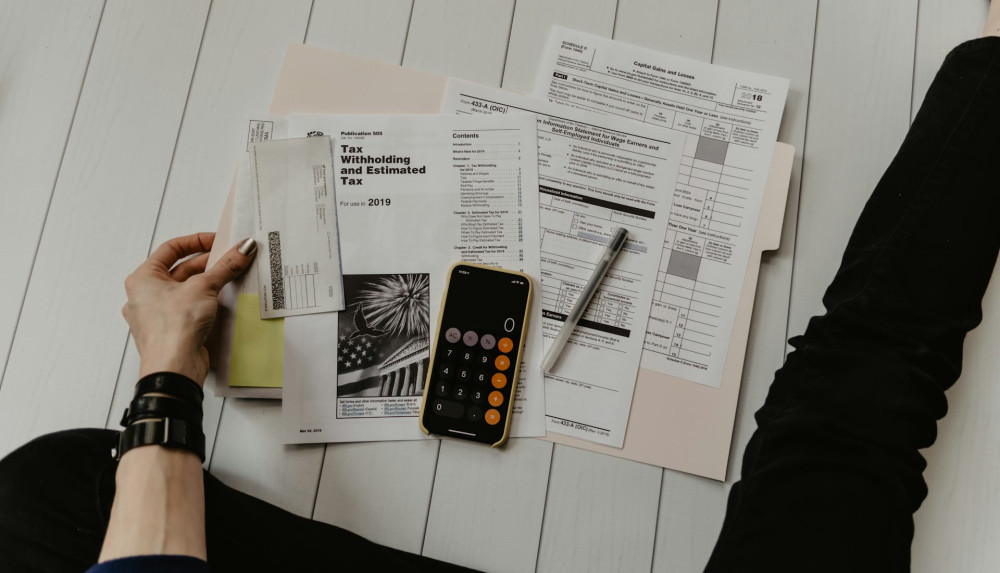
Even small side projects can have tax implications. In New Zealand, income from freelancing, selling goods, or renting out property generally needs to be declared to Inland Revenue (IRD). There are, however, different thresholds and deductions depending on the type of income.
Check the latest information on the IRD website to make sure you’re compliant. It’s better to get it right from the start than to fix it later.
Small Steps Can Make a Big Difference
Earning a little extra isn’t about getting rich overnight – it’s about creating more freedom and flexibility in your finances. A few hundred dollars here and there can quickly add up, especially if you find something you genuinely enjoy doing.
With a bit of creativity, planning, and persistence, a side project can become both a financial boost and a source of personal satisfaction.
Læs også: