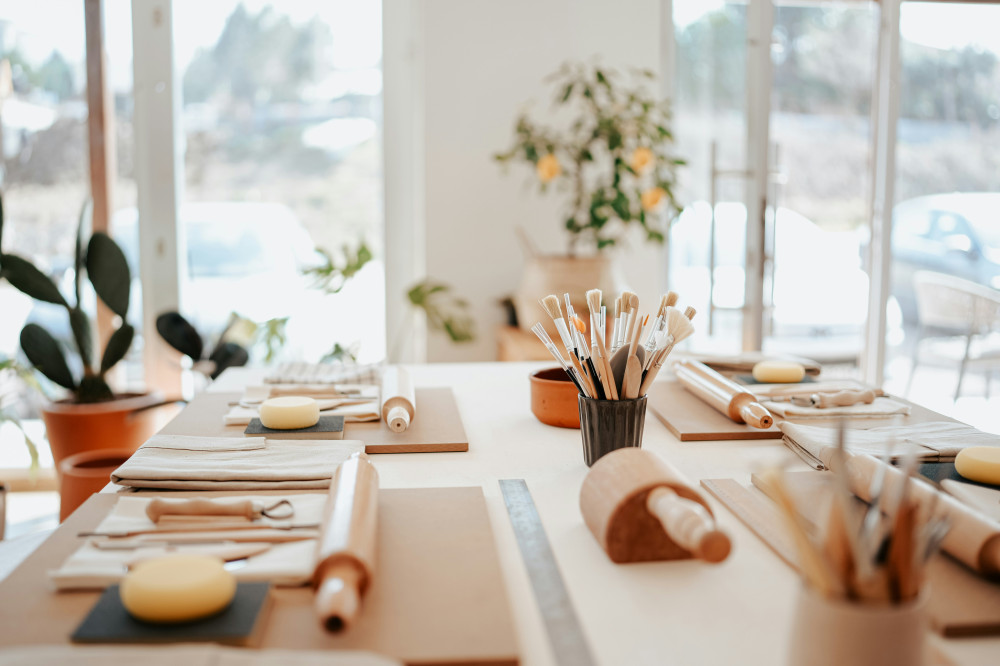
DIY: Practical and Clever Storage Solutions for Your Hobby Room

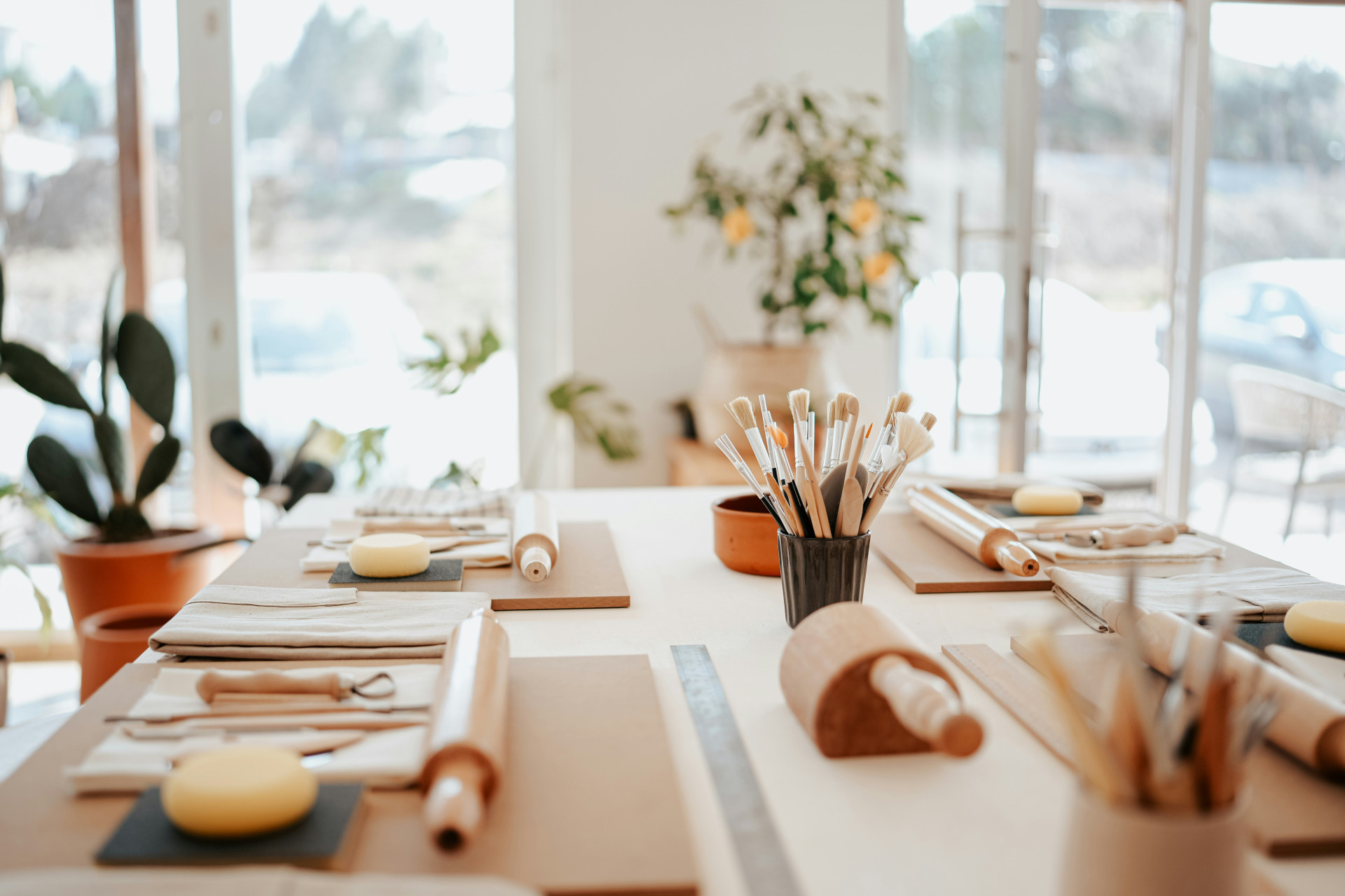
DIY: Practical and Clever Storage Solutions for Your Hobby Room
A hobby room should be a place where creativity flows freely – but that’s hard to achieve if clutter takes over. Whether you’re into sewing, painting, model building, or crafting, smart storage is key to keeping your space both functional and inspiring. With a bit of planning and a few DIY projects, you can create a hobby room that works beautifully for you. Here are some ideas tailored for Kiwi homes to help you get started.
Start by Assessing Your Needs
Before you start building shelves or buying containers, take a moment to think about what you actually need to store. Do you have lots of small items like beads, screws, or brushes? Or are your materials bulkier, like fabric rolls, canvases, or timber offcuts?
Make a list of your materials and tools, and group them into categories: small items, medium-sized materials, and larger equipment. This will give you a clear picture of how much space you need and how to make the most of it.
Make the Most of Your Walls – Think Vertically
One of the most underused areas in a hobby room is the wall space. By using your walls effectively, you can free up your work surfaces and keep everything within easy reach.
- Pegboards are perfect for hanging tools, scissors, brushes, and small containers. You can easily rearrange hooks and shelves as your projects change.
- Tiered shelving allows you to store materials of different sizes. Keep frequently used items at eye level and place less-used supplies higher up.
- Magnetic strips aren’t just for kitchen knives – they’re great for holding metal tools like screwdrivers, scissors, and drill bits.
By thinking vertically, you’ll gain more floor space and a tidier, more open feel.
Drawers, Boxes, and Jars – Keeping the Small Stuff in Order
Small items have a way of disappearing unless they have a designated spot. Transparent containers and clear labelling can make a world of difference.
- Use glass jars for beads, buttons, nails, and other tiny pieces. They look great and make it easy to see what’s inside.
- Plastic boxes with dividers are ideal for screws, clips, and other small components.
- Old jam jars can be screwed under a shelf – they hang neatly and save space.
Label everything clearly so you can find what you need quickly. It saves time and keeps your workspace organised.
Flexible Workstations
A good hobby room should adapt to different projects. Consider setting up a flexible workstation that can change as your needs do.
- A table on wheels can be moved around depending on where you need space.
- Foldable tables or pull-out surfaces provide extra workspace when needed but can be tucked away when not in use.
- Install multi-outlet power boards with long cords so you can plug in tools wherever you’re working.
Flexibility helps you stay organised and gives you the freedom to work on multiple projects without losing track.
Reuse and Get Creative
You don’t need to buy everything new to create a functional hobby room. Many clever storage ideas can be made from things you already have.
- Old wooden crates or wine boxes can be turned into modular shelving.
- Spice racks are perfect for small paint pots or thread spools.
- Tin cans can be painted and used as holders for pens, brushes, or knitting needles.
- Fruit boxes from your local market can be stacked for storing fabric, paper, or tools.
By reusing materials, you’ll not only save money but also add a personal and sustainable touch to your space.
Create Zones in the Room
If you have enough space, it’s worth dividing your hobby room into zones. This helps you stay organised and prevents materials from mixing between projects.
- A work zone with a sturdy table, good lighting, and your most-used tools.
- A storage zone with shelves, drawers, and boxes.
- An inspiration zone – perhaps a pinboard or wall where you can display ideas, colour samples, and sketches.
When everything has its place, tidying up becomes easier, and your room stays ready for creativity.
Læs også:




Make It Personal
Your hobby room should be practical, but it should also reflect your personality. Add touches that make you happy to spend time there – photos, artwork, or colours that inspire you. Good lighting is essential too, especially for detailed work. A space that feels welcoming will encourage you to dive into your projects and enjoy the process.
A Space That Nurtures Creativity
A well-organised hobby room isn’t about perfection – it’s about creating a space that suits your interests and lifestyle. With clever storage, flexible furniture, and a bit of Kiwi ingenuity, you can transform even a small room into an inspiring workshop where your creativity can truly thrive.
Læs også: