Transform your game: A step-by-step guide to elevate your sport skills
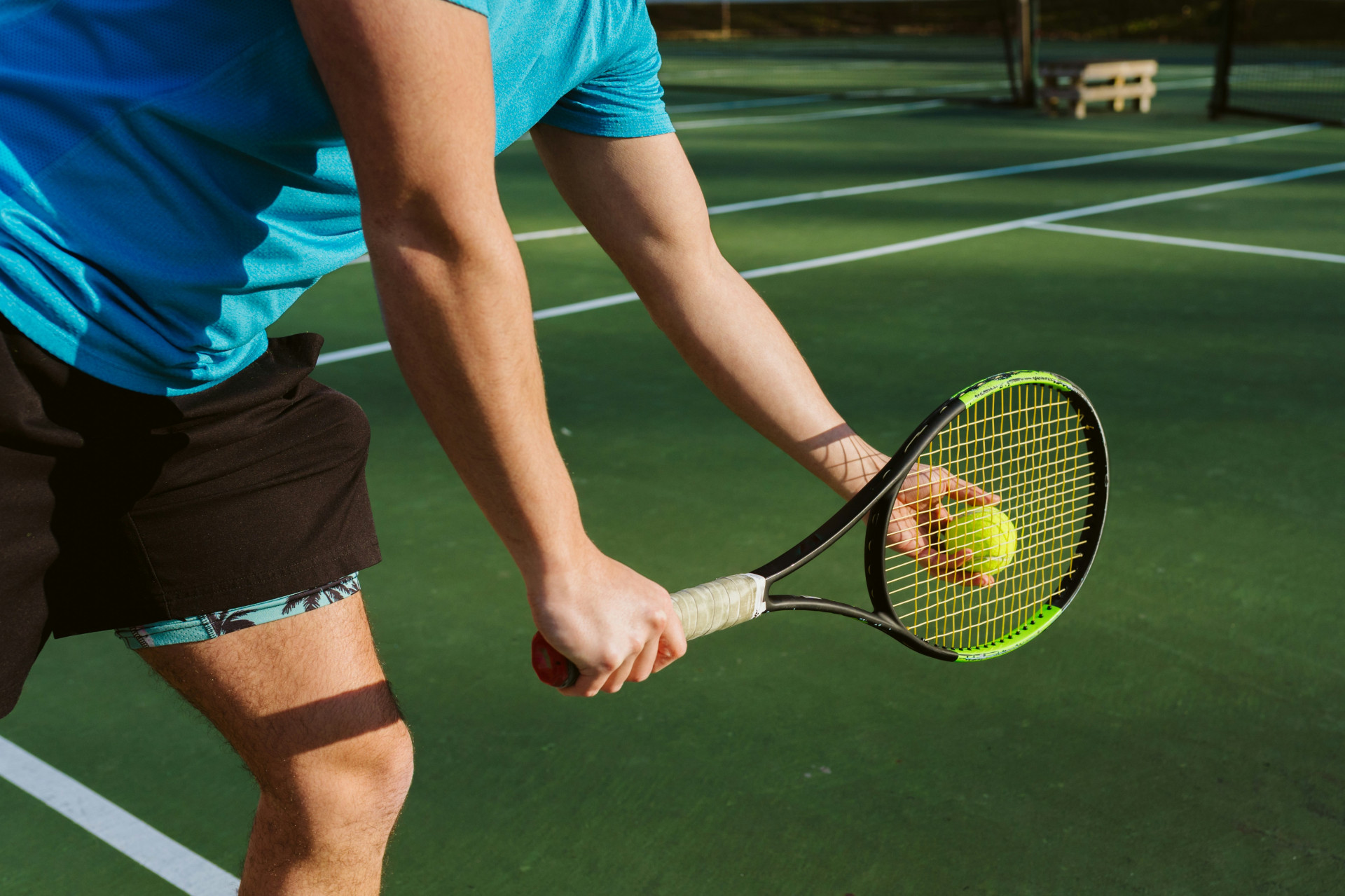
Transform your game: A step-by-step guide to elevate your sport skills
Understanding the Basics
Before diving into advanced techniques, its essential to ground yourself in the fundamentals. Every athlete, whether a beginner or seasoned player, must have a firm grasp of the basic skills required for their sport. This includes understanding rules, key movements, and basic strategies.
Assess your current skill level and identify the core techniques necessary for your sport. For instance, basketball players should focus on dribbling, shooting, and defensive positioning. Take the time to practice these fundamentals regularly as they will serve as the foundation for more advanced skills.
Set Clear Goals
Setting clear, achievable goals is crucial for improvement. Goals give you direction and motivation throughout your training. Start by defining what you want to achieve—whether its improving your speed, mastering a specific technique, or increasing your endurance.
Utilize the SMART method for goal setting: specific, measurable, achievable, relevant, and time-bound. This creates a structured approach, making it easier to track your progress and stay committed to your training regimen.
Develop a Training Plan
Once youve established your goals, its time to create a training plan tailored to your needs. Your training plan should encompass various elements, including skill development, strength training, and flexibility exercises.
Include drills that focus on your specific sport skills. For instance, if you play soccer, prioritize dribbling and passing drills. Allocate time for strength training two to three times a week, focusing on core exercises that improve overall athletic performance.
Consistency is key, so ensure your plan includes regular sessions to keep your skills sharp and continuously improve.
Incorporate Cross-Training
Cross-training involves engaging in different physical activities to enhance overall fitness and prevent burnout. It’s a fantastic way to avoid injuries and keep your training routine fresh. By participating in various sports or fitness exercises, you develop different muscle groups, improve flexibility, and boost endurance.
For example, a swimmer might benefit from running or yoga to enhance cardiovascular fitness and flexibility. Such activities not only improve your athletic capabilities but can also increase your enjoyment of sports as you experience different physical challenges.
Seek Feedback and Coaching
To elevate your skills further, consider getting feedback from coaches, trainers, or even fellow athletes. Constructive criticism can highlight areas for improvement that you may overlook. Coaches have the expertise to provide tailored advice to help refine your techniques.
Joining local clubs or teams opens opportunities for practice and receiving mentorship. Many successful athletes credit their growth to the guidance received from experienced professionals and peers. Don’t shy away from seeking out mentors in your sport.
Study and Analyze Performance
Improvement comes from not only practice but also from analysis and observation. Watching videos of your performances can be incredibly beneficial. Identify what you did well and pinpoint areas that require improvement. This self-analysis allows you to make necessary adjustments in your training.
Additionally, study professional players in your sport. Analyze their techniques, strategies, and conditioning methods. Understanding what sets elite athletes apart can inspire and inform your own training efforts.
Stay Motivated and Reflect
Staying motivated can be one of the most challenging aspects of training. It’s vital to celebrate small victories and progress along the way. Document your training journey in a journal, noting achievements and how far youve come. This practice helps to maintain perspective on your long-term goals.
Reflect on your training sessions regularly. Take a moment to consider what worked well and what didn’t. This reflection will help you adjust your training plan accordingly and keep your passion for the sport alive.
Nutrition and Recovery
Nourishing your body with the right foods is crucial for optimal performance. A balanced diet rich in proteins, carbohydrates, and healthy fats fuels your training sessions and aids recovery. Pay attention to your pre- and post-workout meals, as they significantly affect your performance.
Equally important is allowing your body to recover. Rest days are not merely breaks; they are vital for preventing injuries and ensuring your muscles have time to repair and grow. Incorporate recovery practices, such as stretching, foam rolling, and adequate sleep, into your routine to maximize your efforts.
Stay Flexible and Adapt
The path to enhancing your sports skills is not linear; challenges and setbacks will arise. Staying flexible in your approach and open to change enables you to adapt to new situations, such as injuries or changing interests. Embrace the journey and be willing to modify your goals and training plans as needed.
Ultimately, the key to transforming your game lies in your dedication and willingness to learn and grow. With commitment and the right strategies, you can elevate your skills and reach new heights in your sport.


